
- Shop
- [Pair of Albums Compiled by a Young Mexican-American Woman in the Border Ciity of Nogales, Arizona]
[Pair of Albums Compiled by a Young Mexican-American Woman in the Border Ciity of Nogales, Arizona]
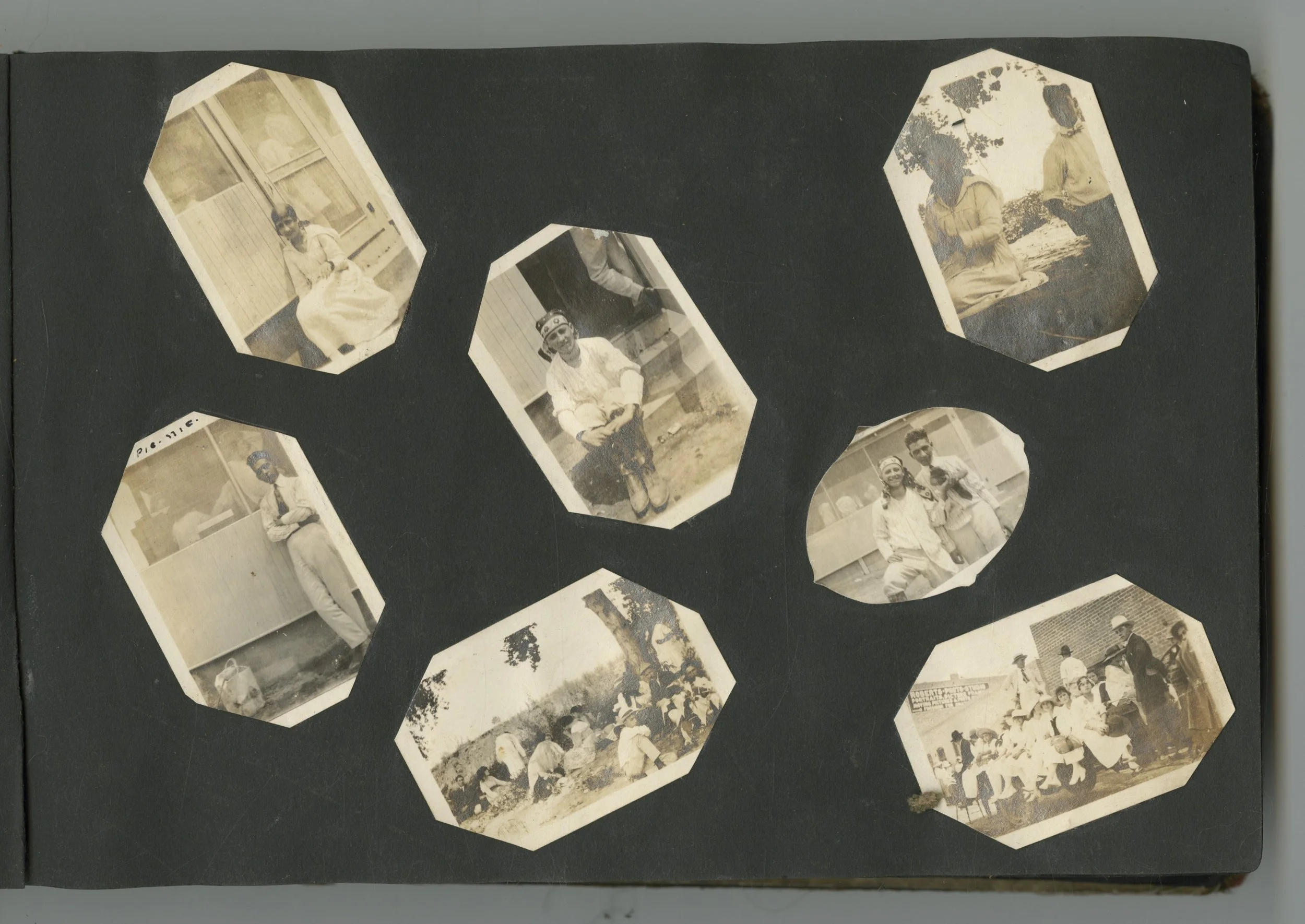
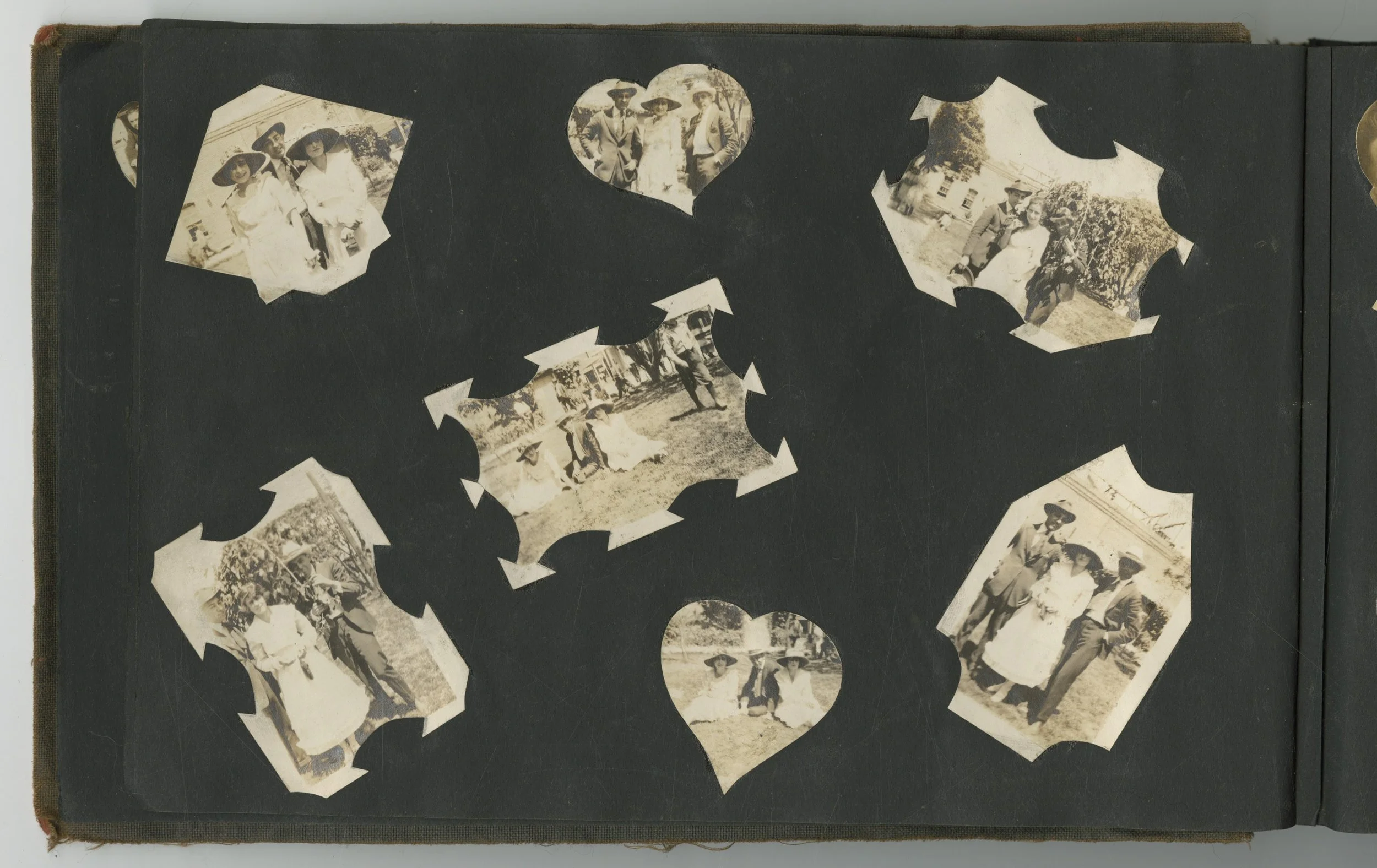
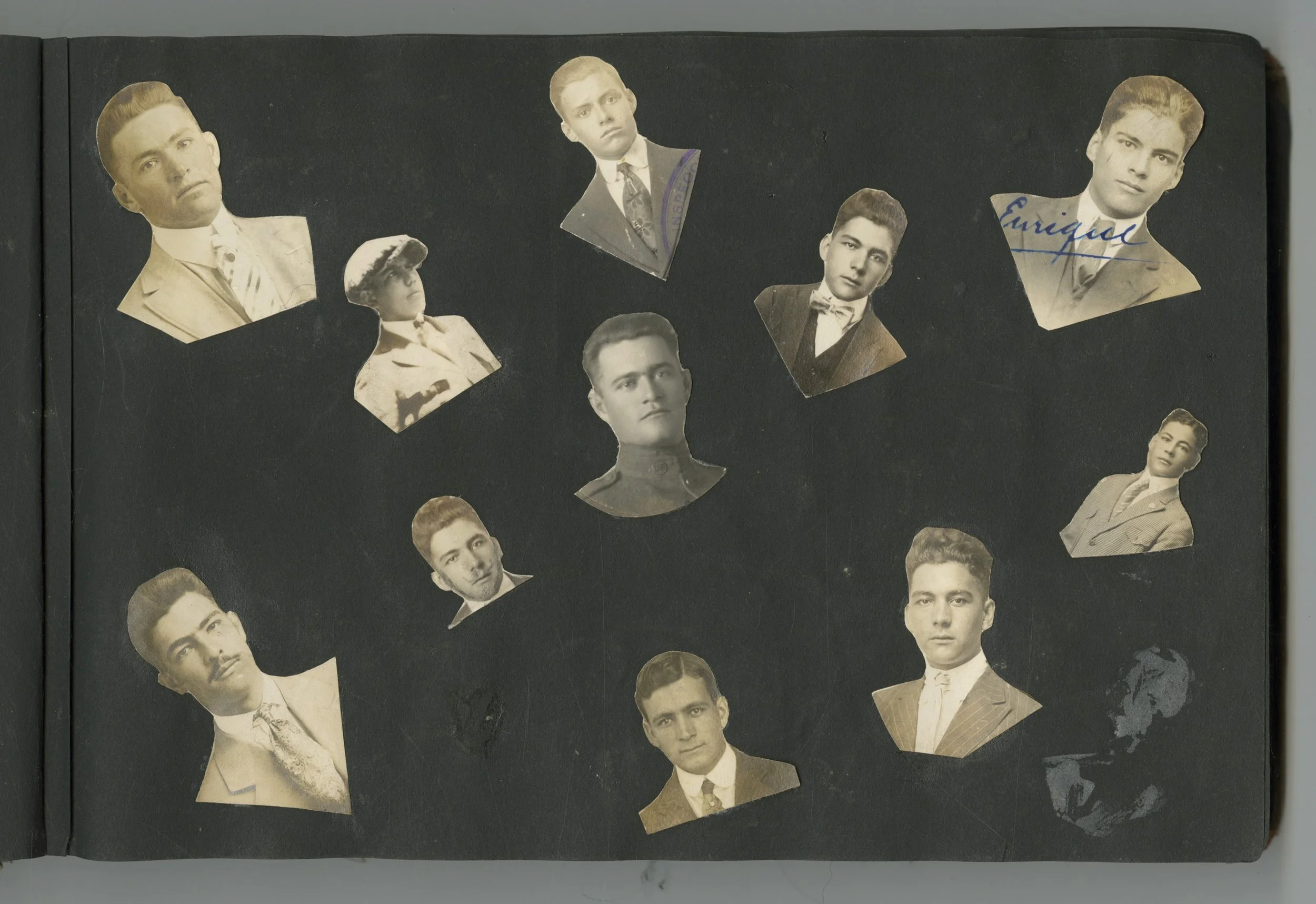
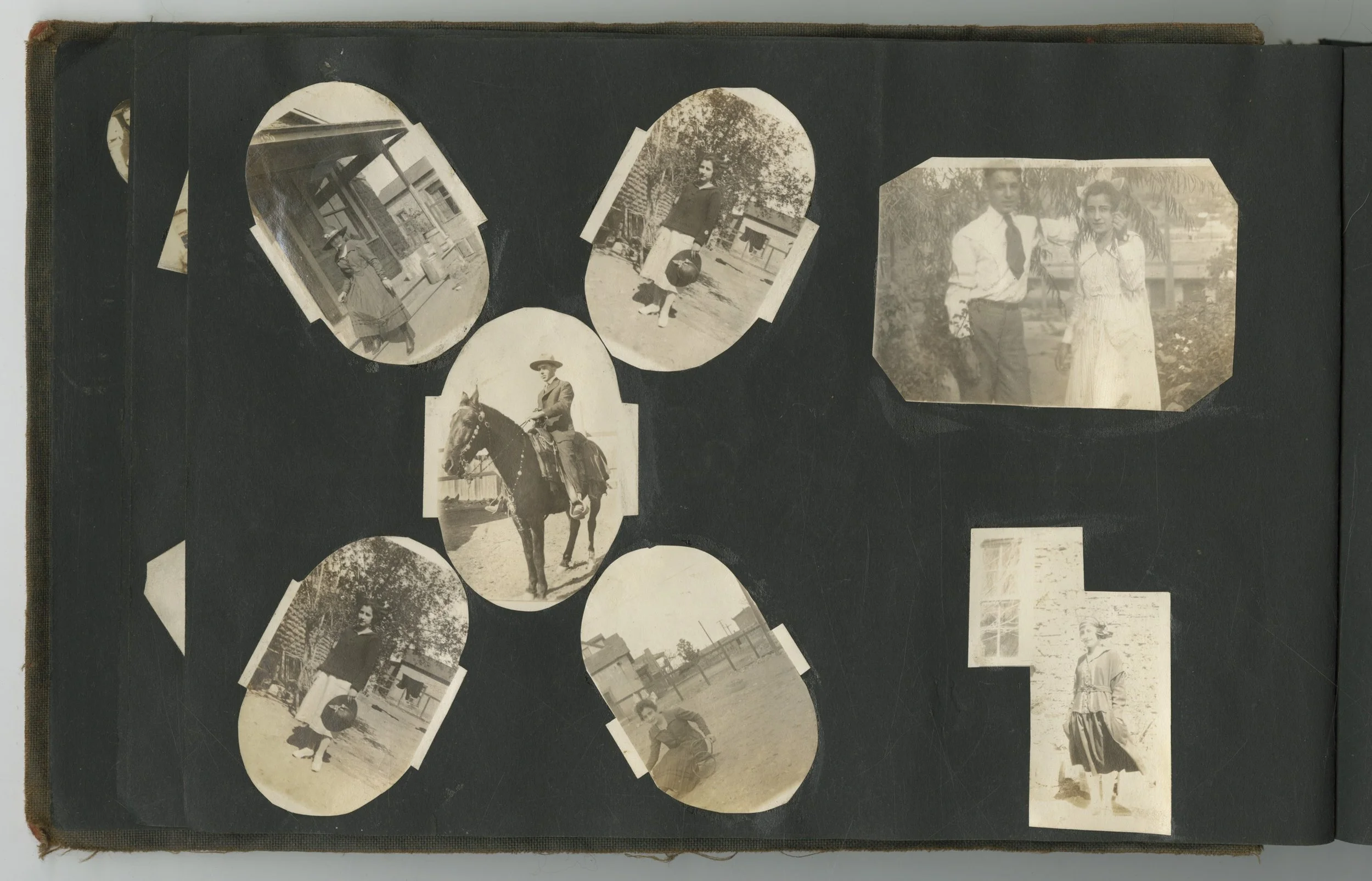
[Pair of Albums Compiled by a Young Mexican-American Woman in the Border Ciity of Nogales, Arizona]
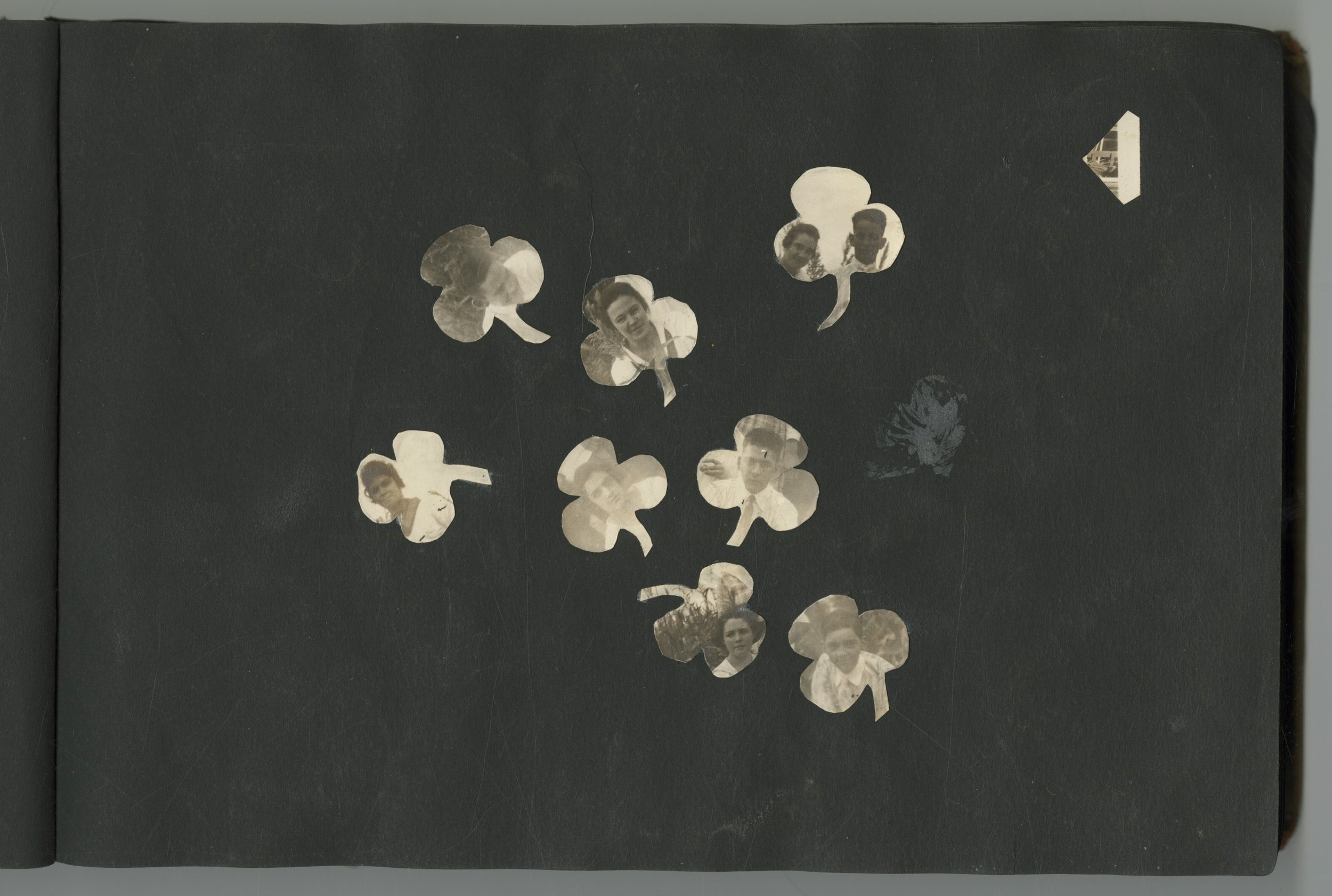
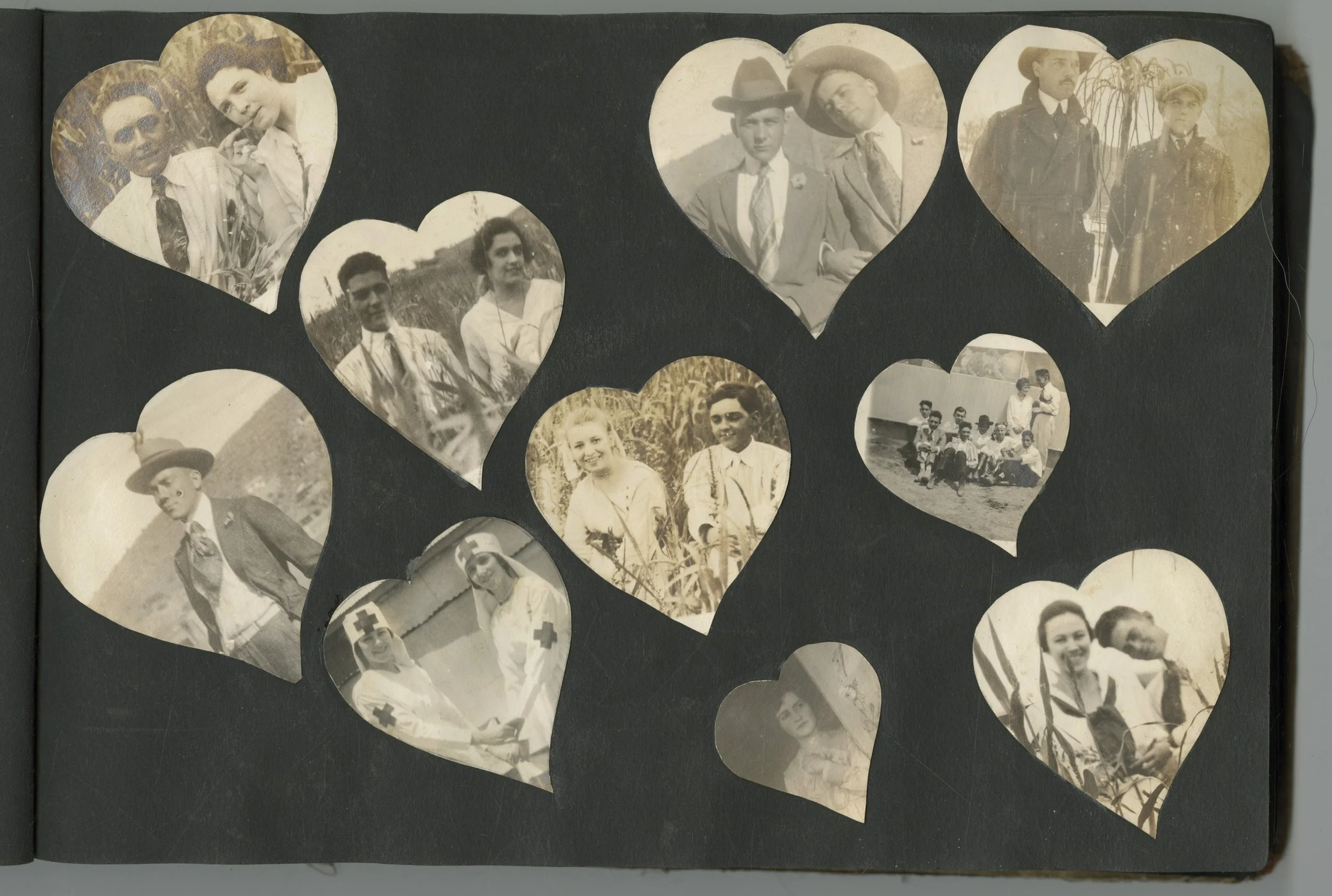
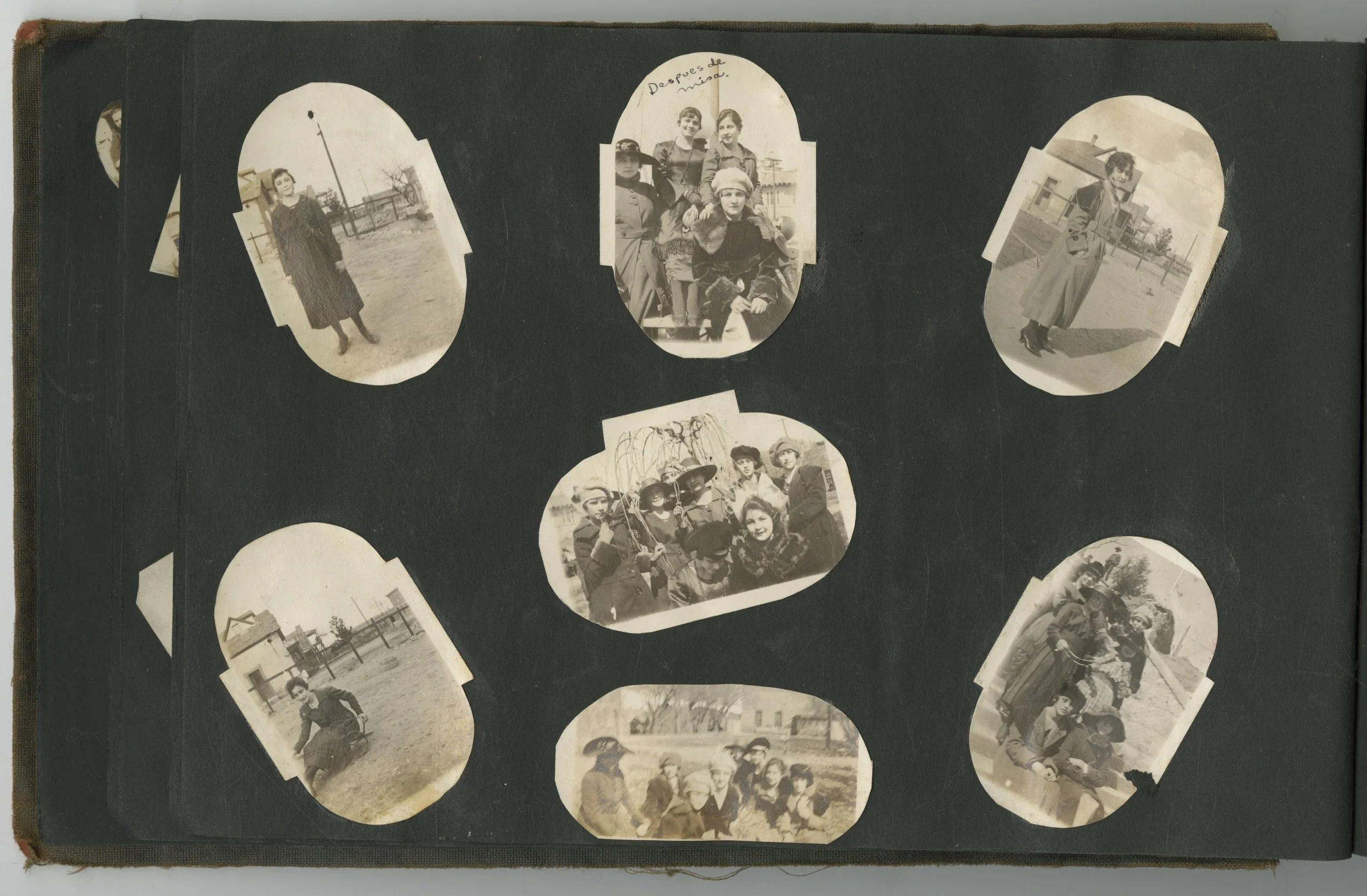
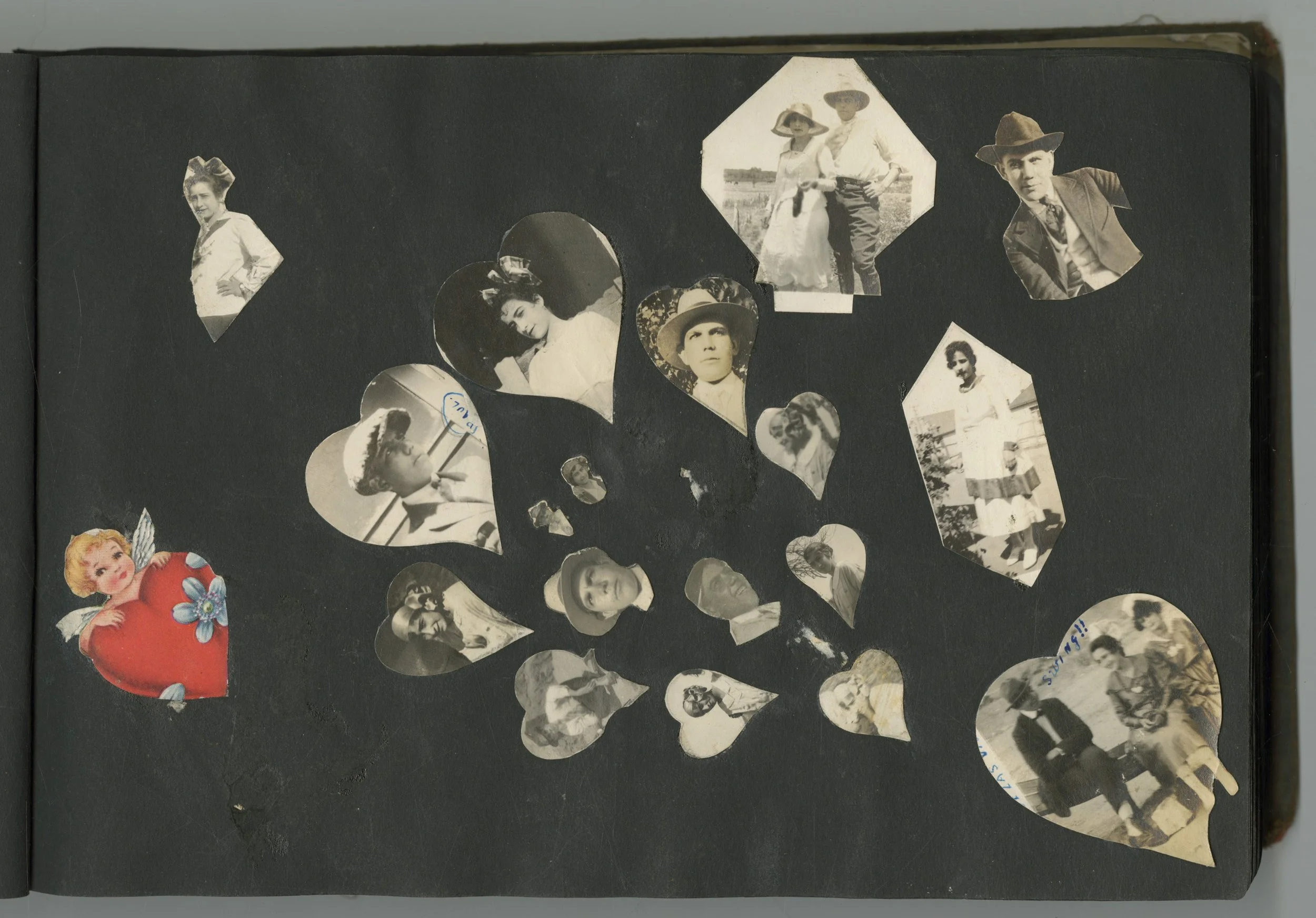
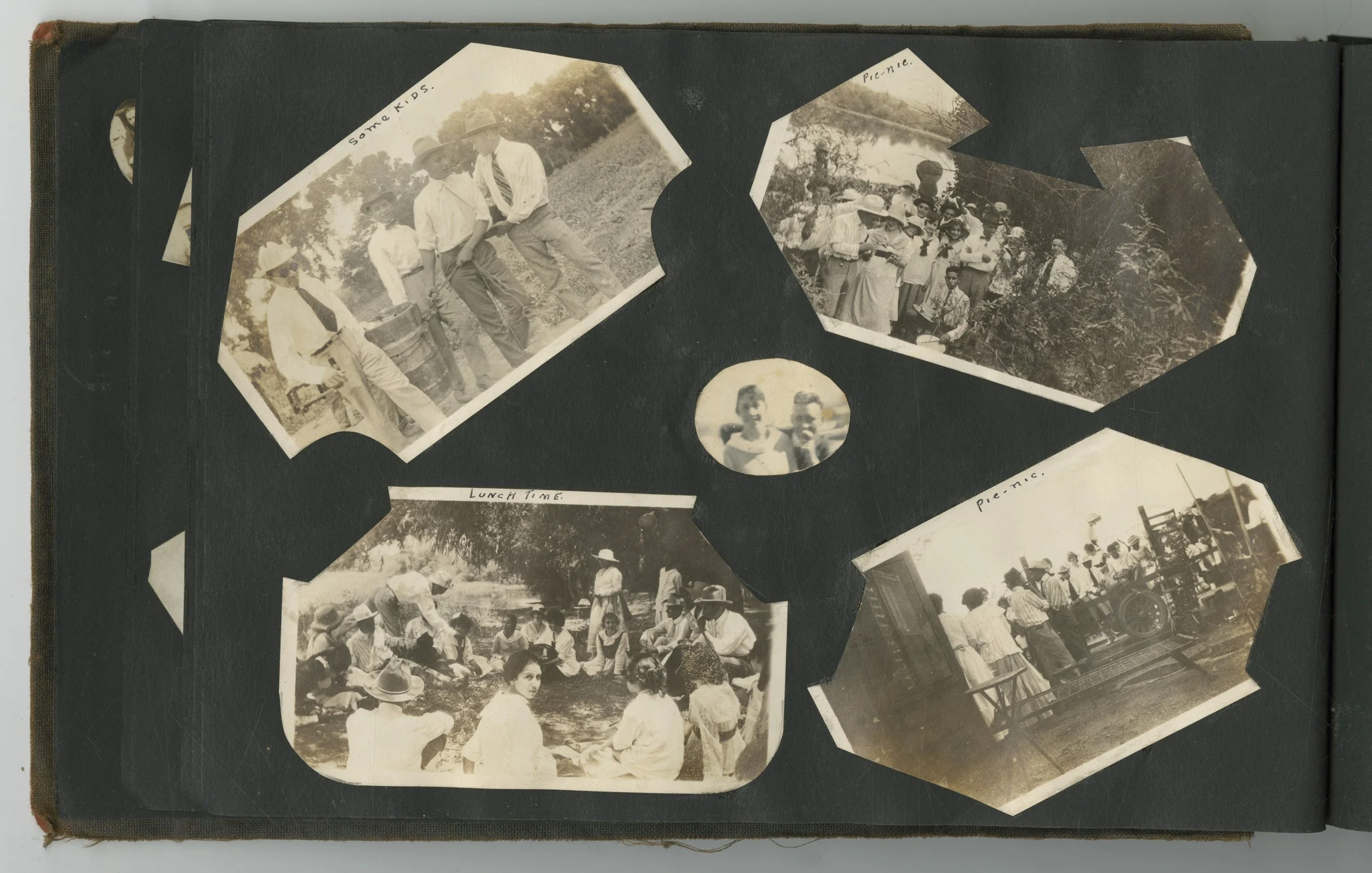
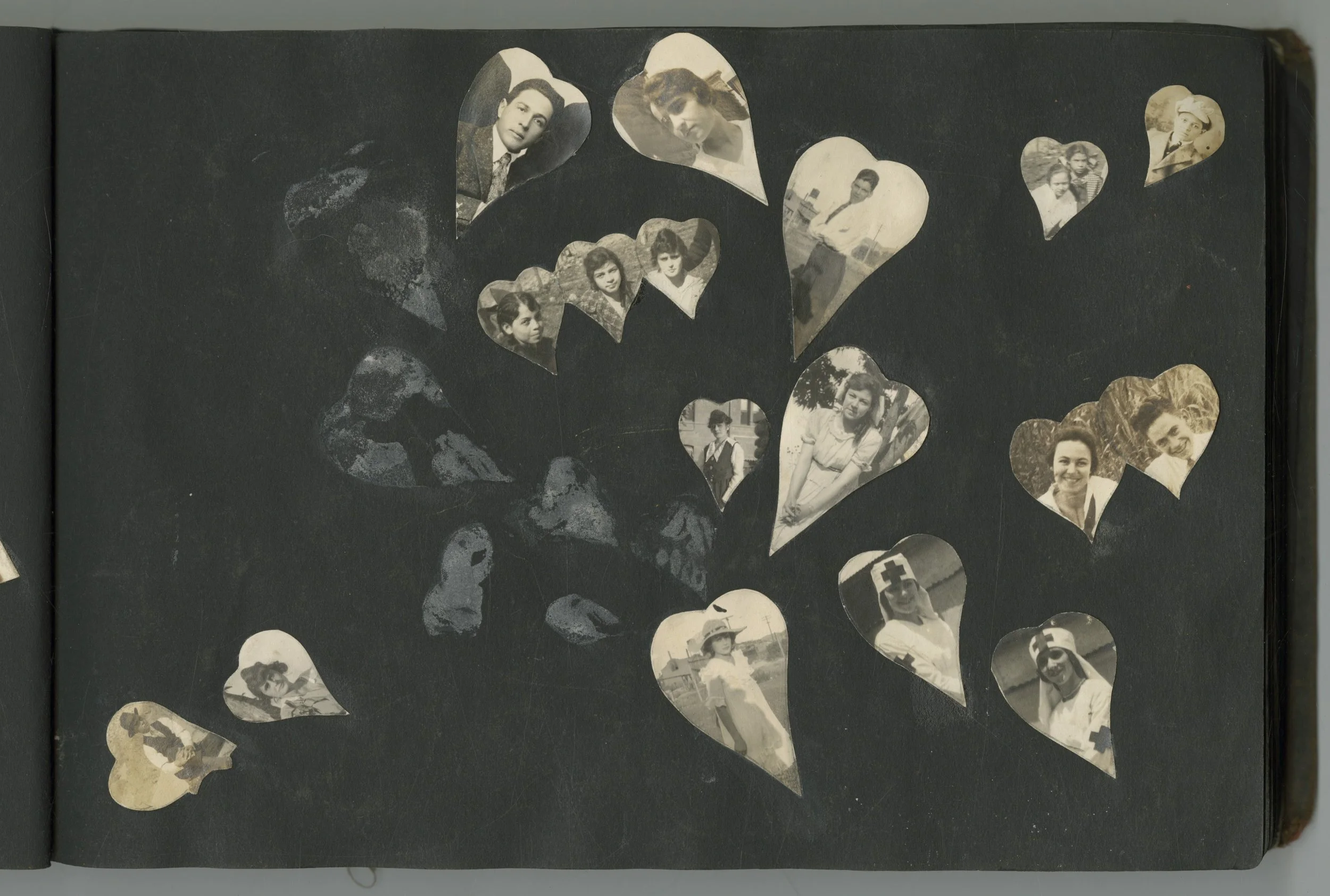
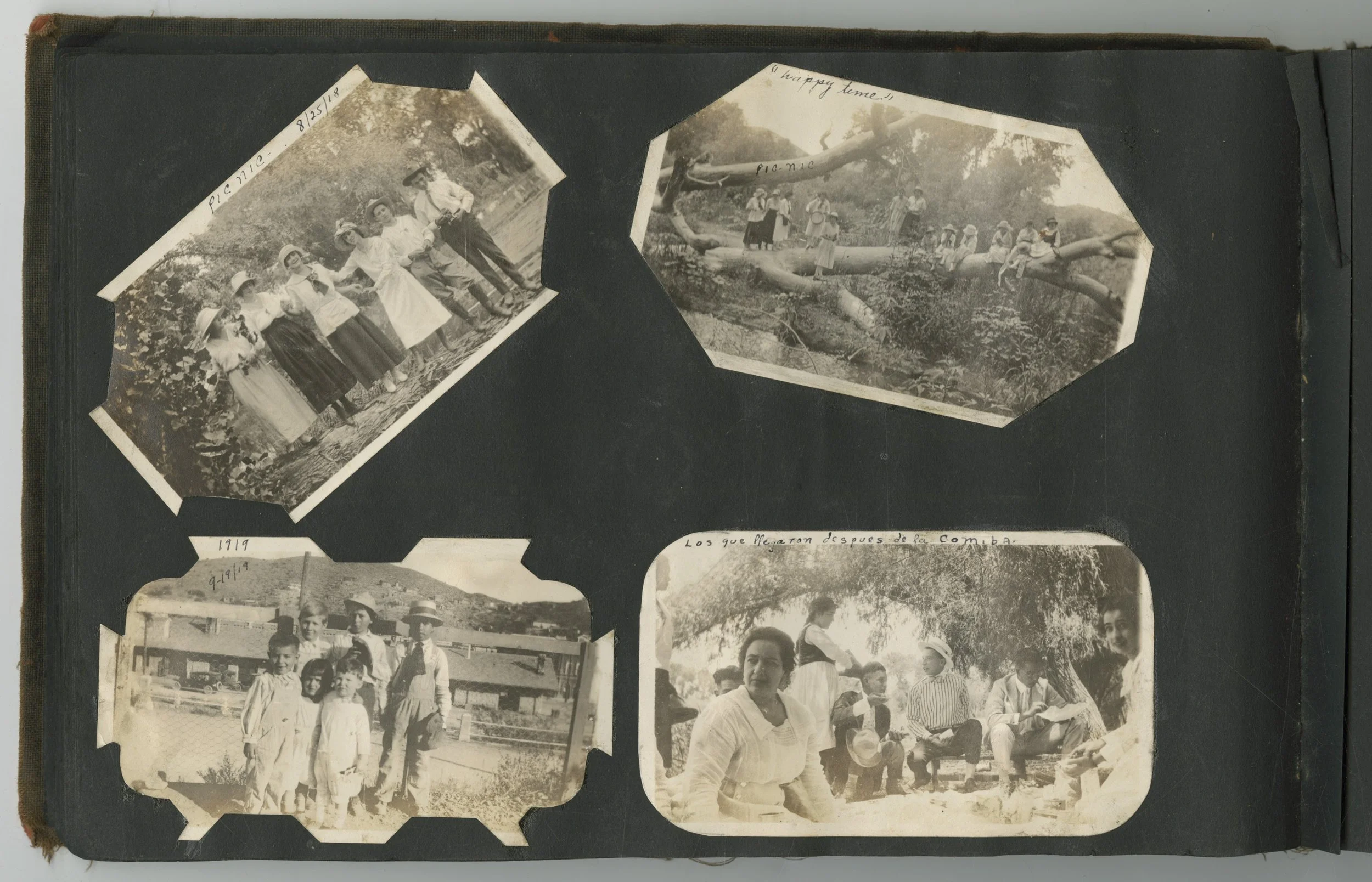
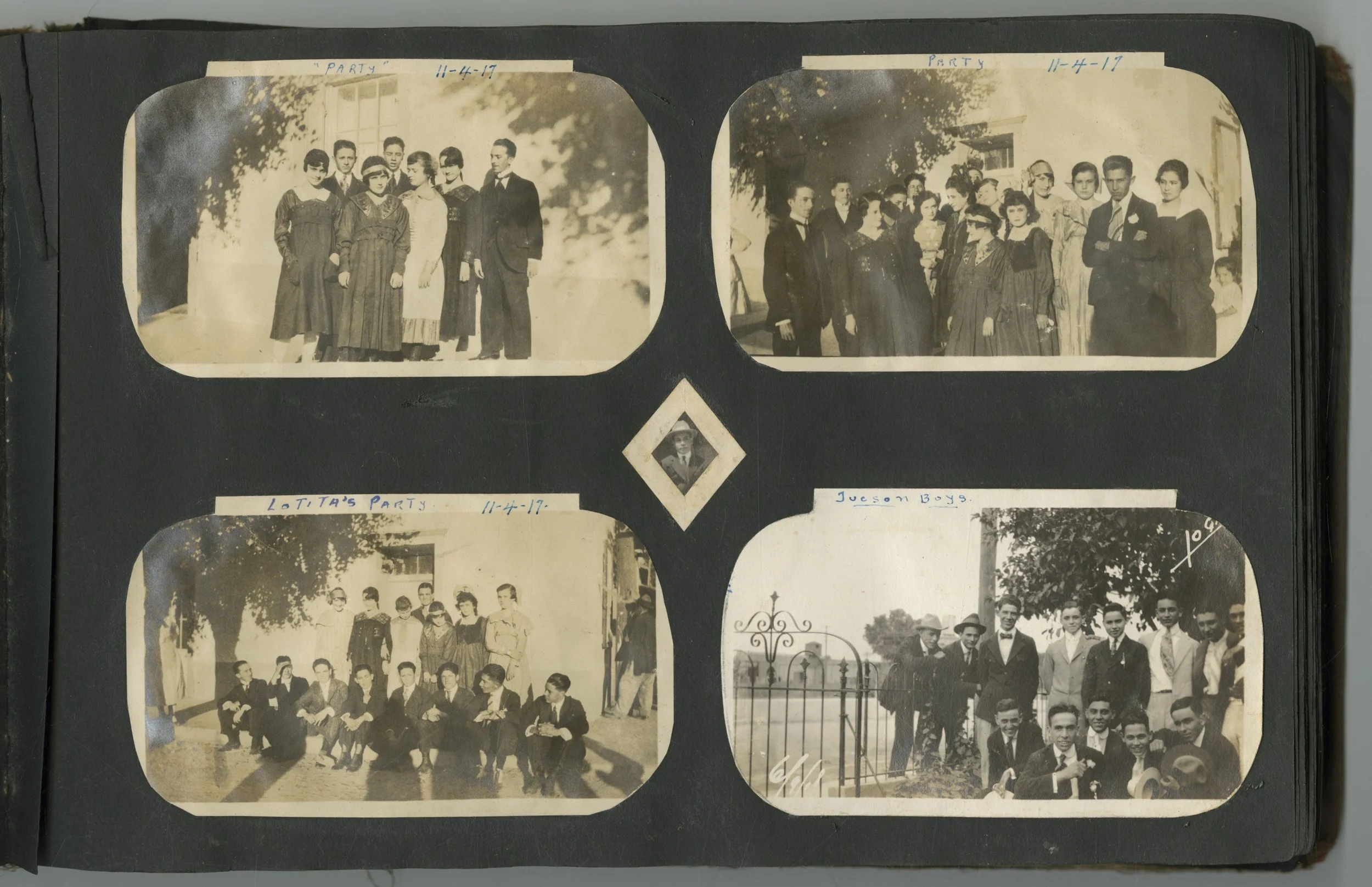
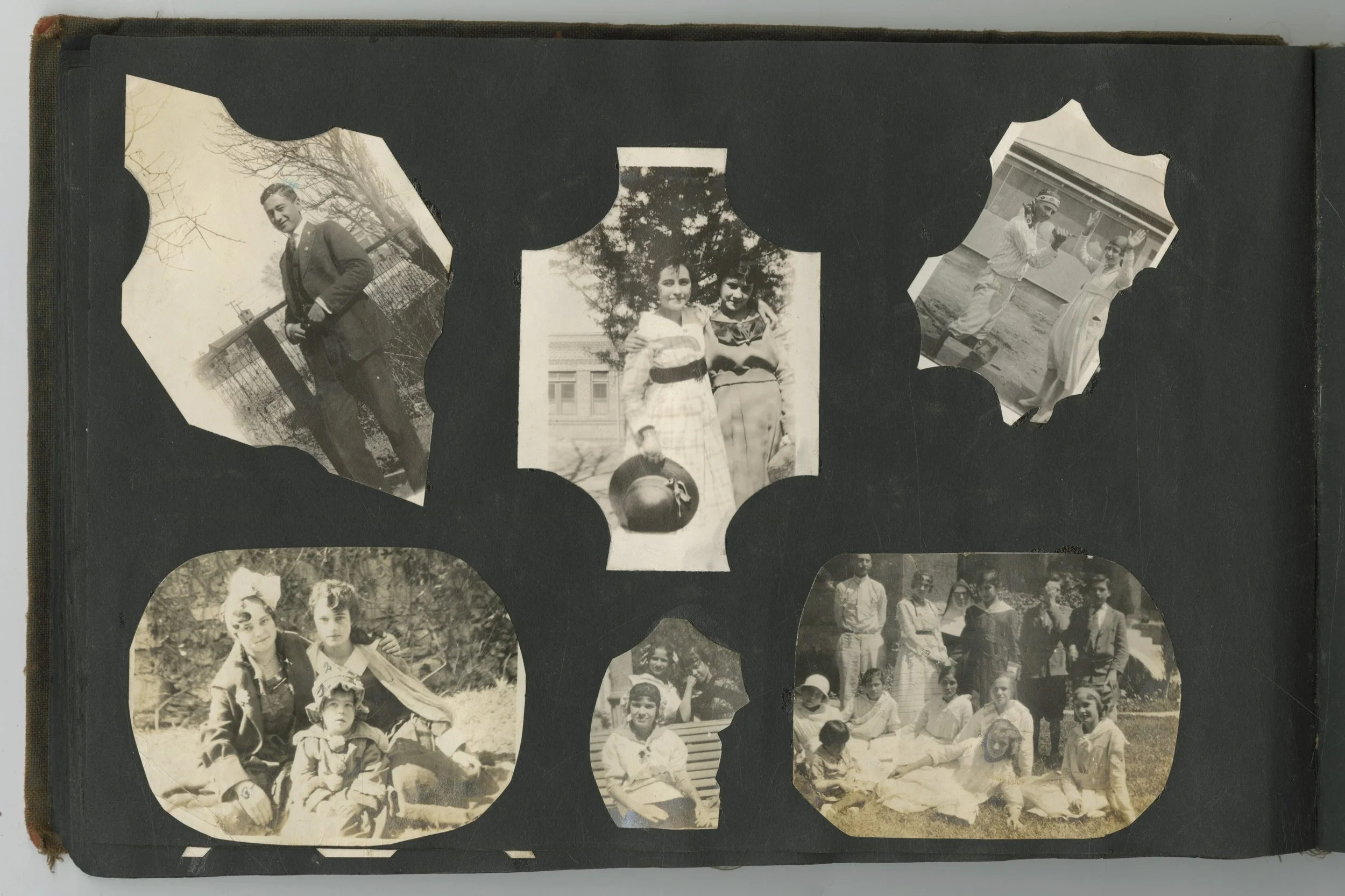
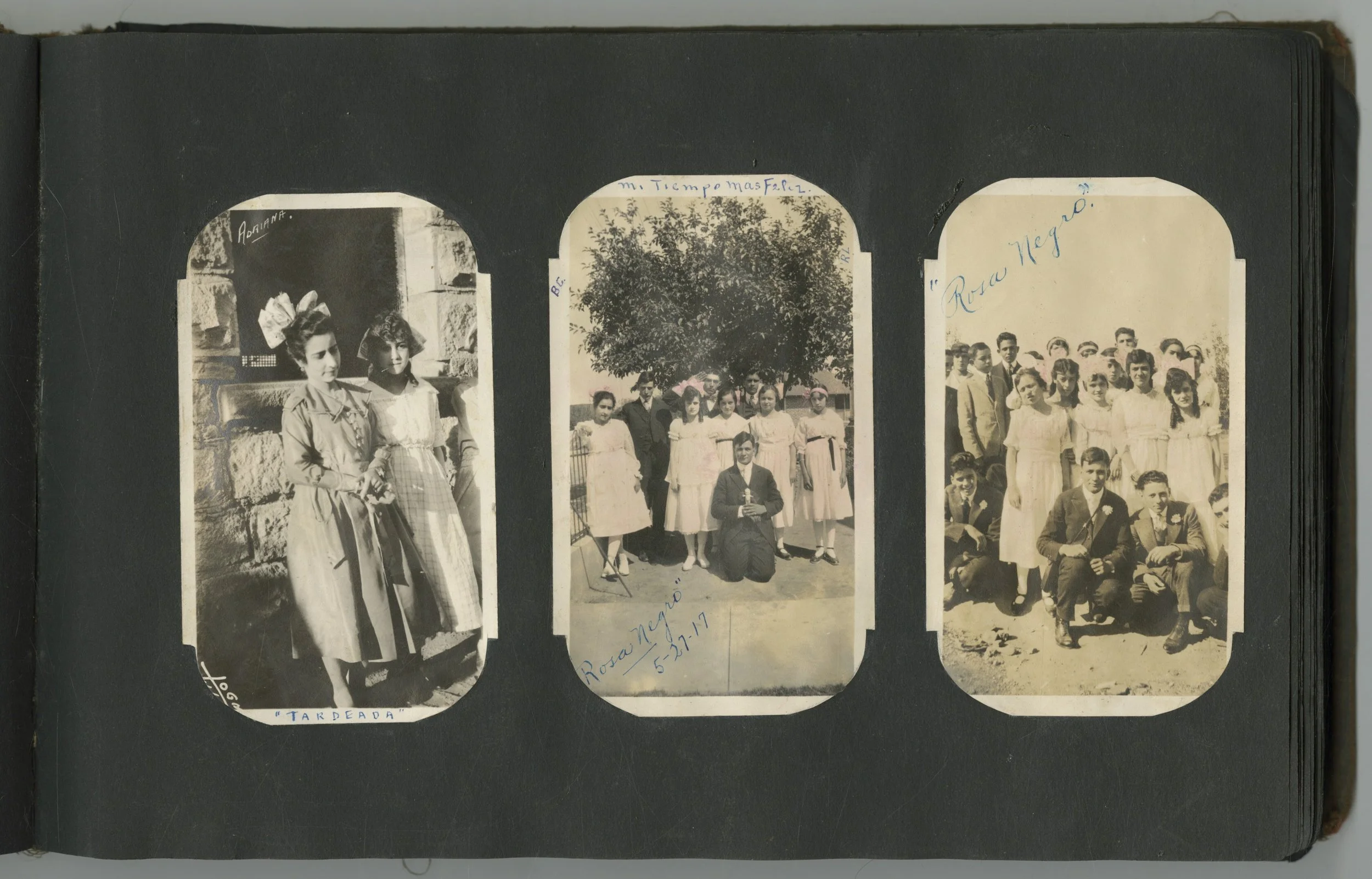
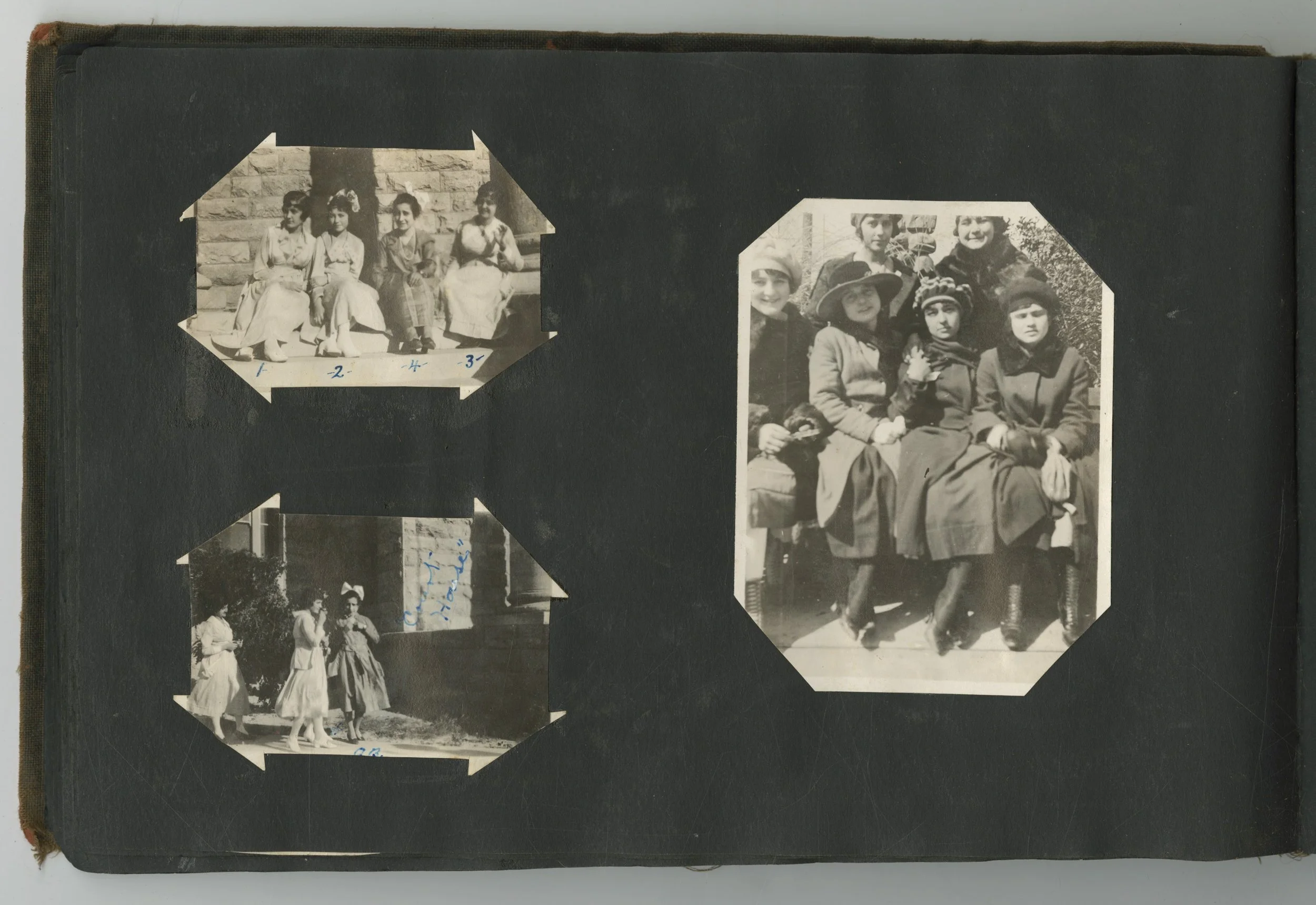
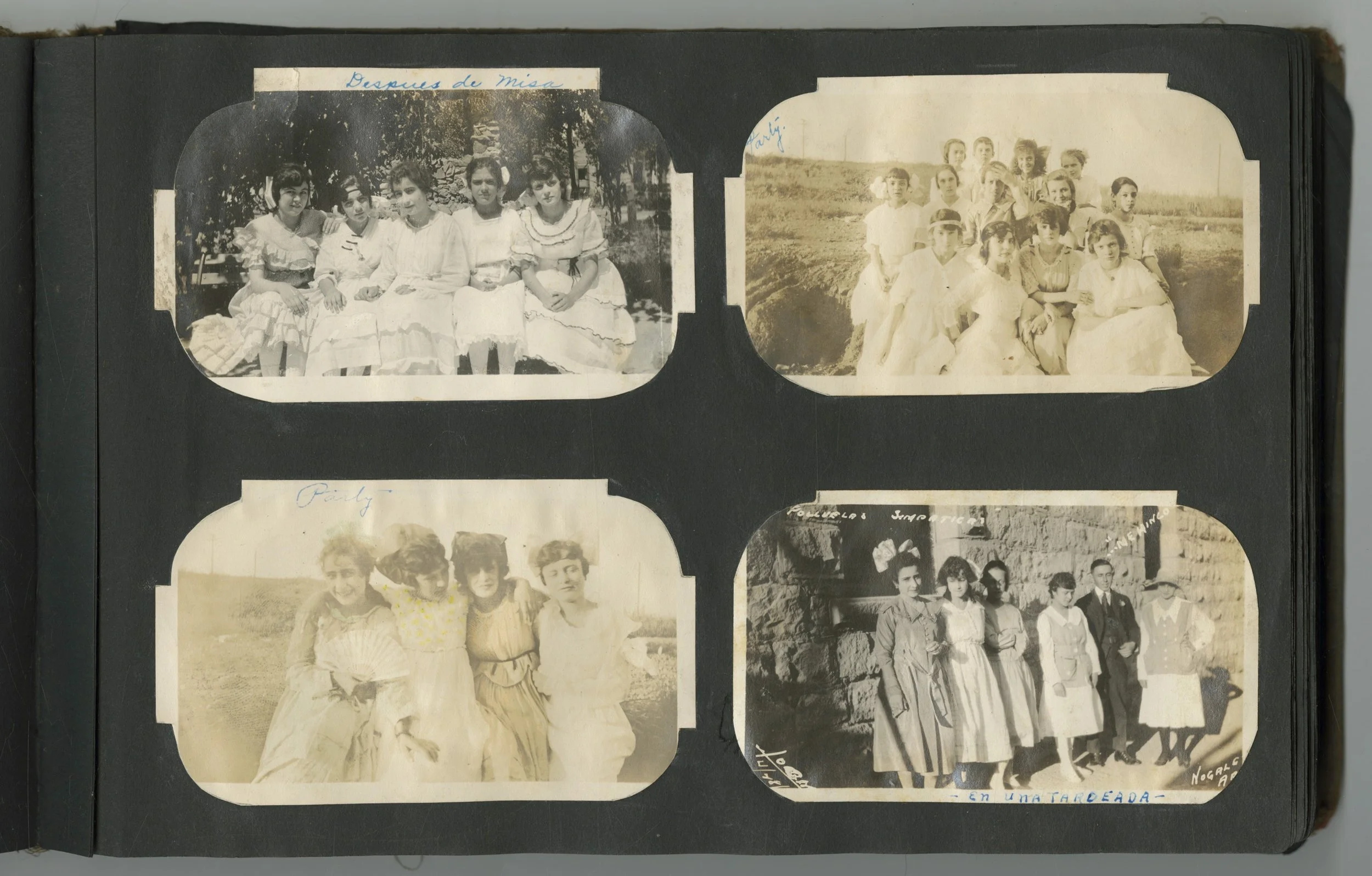
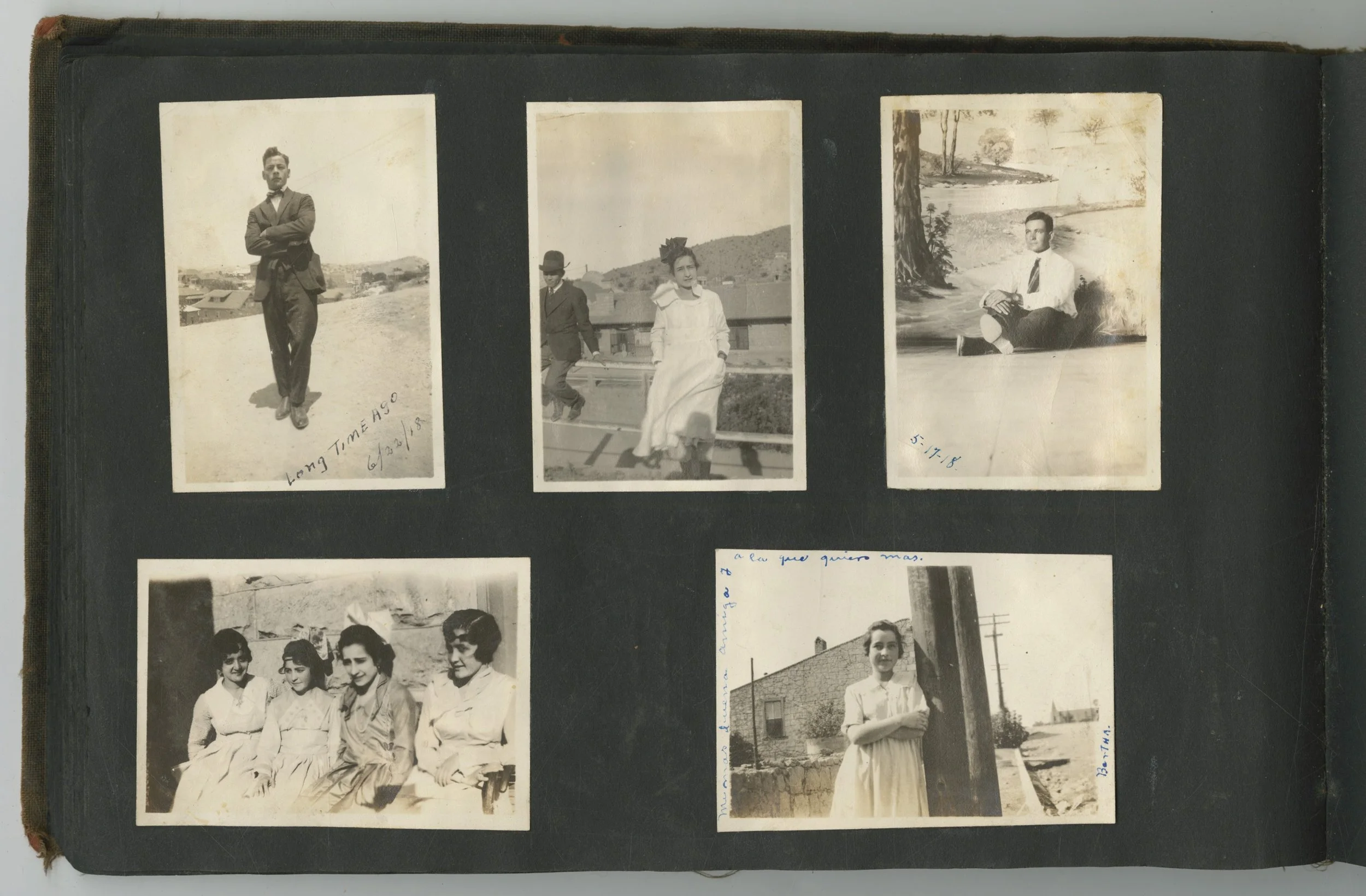
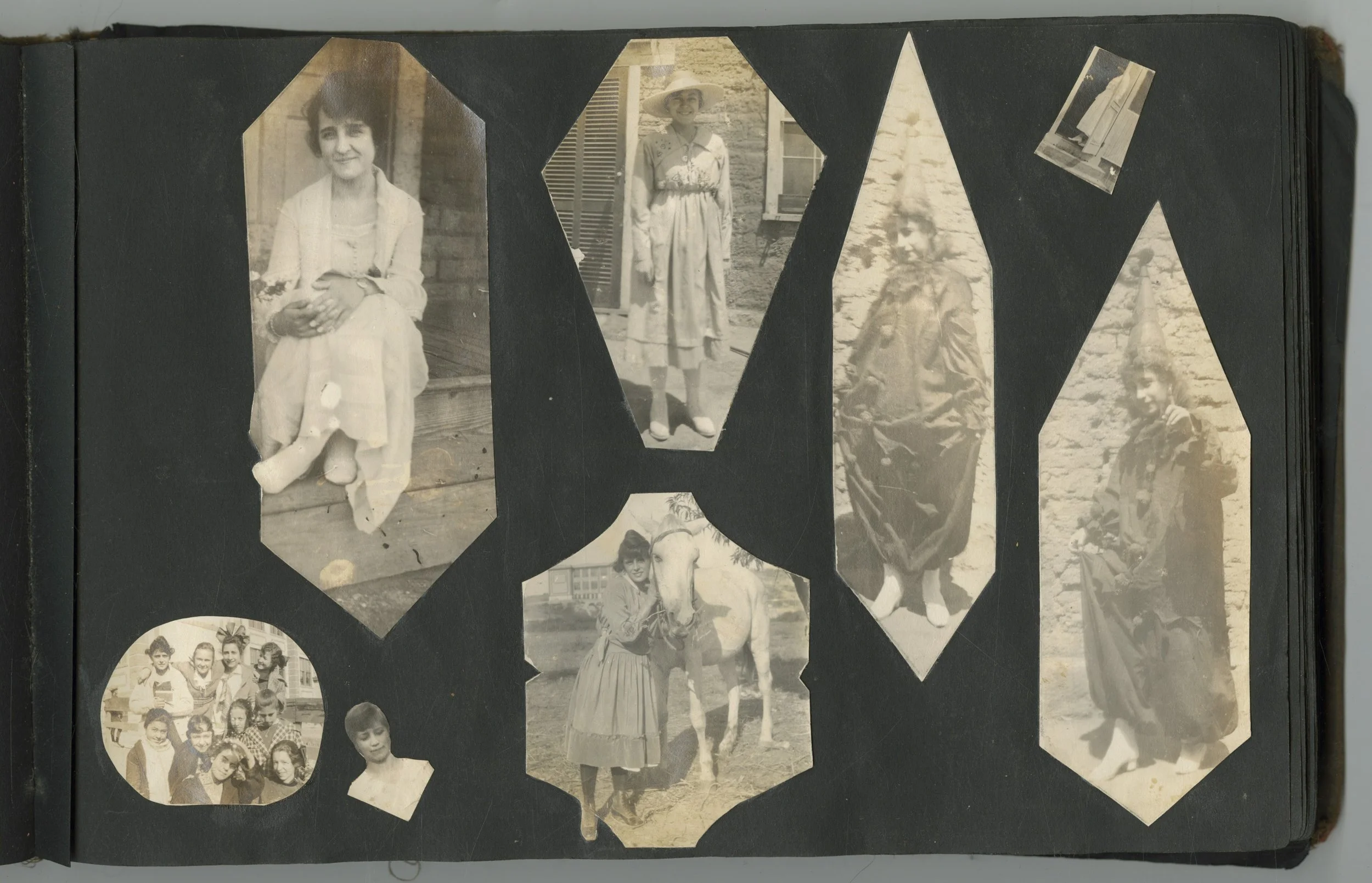
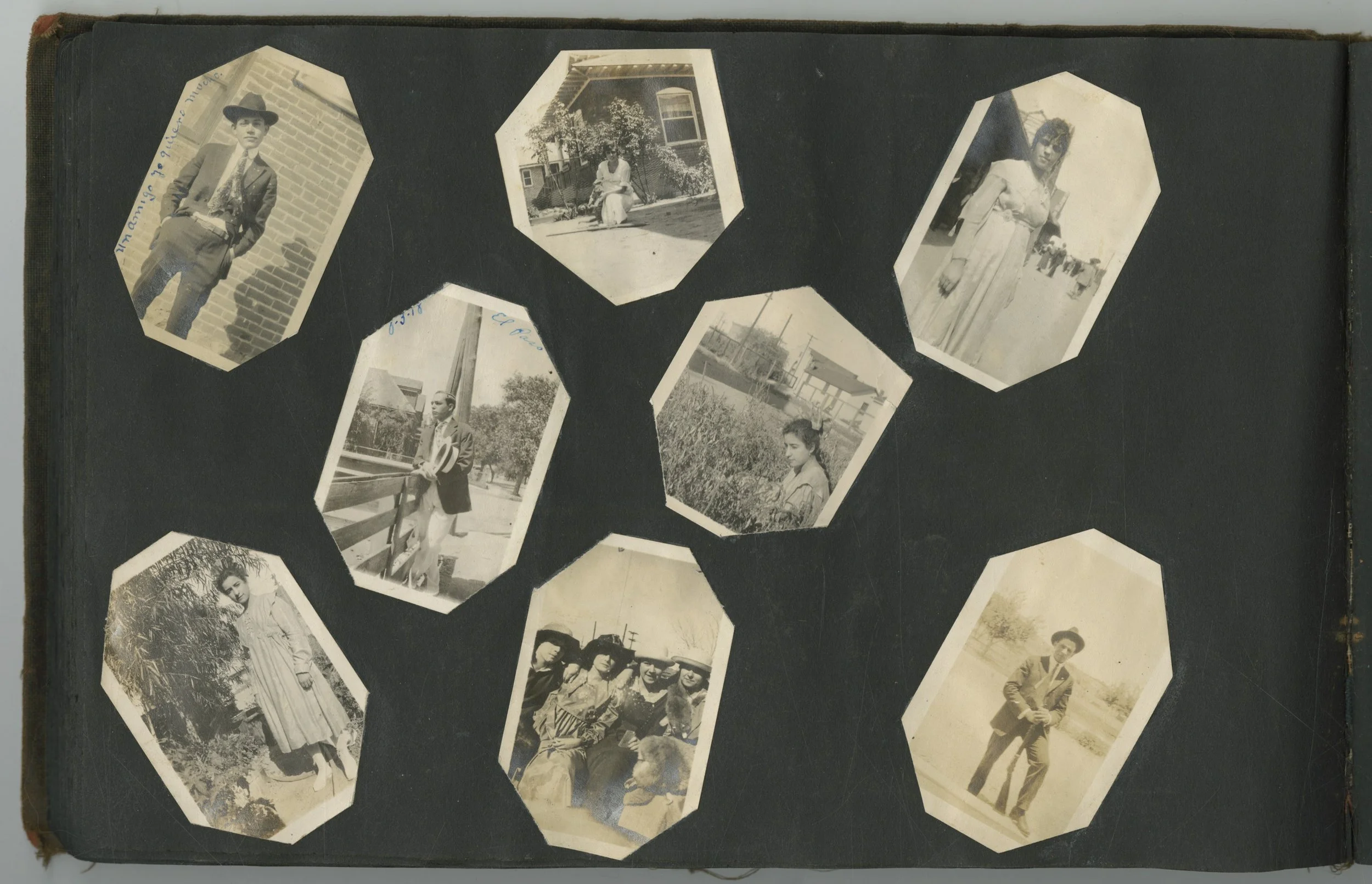
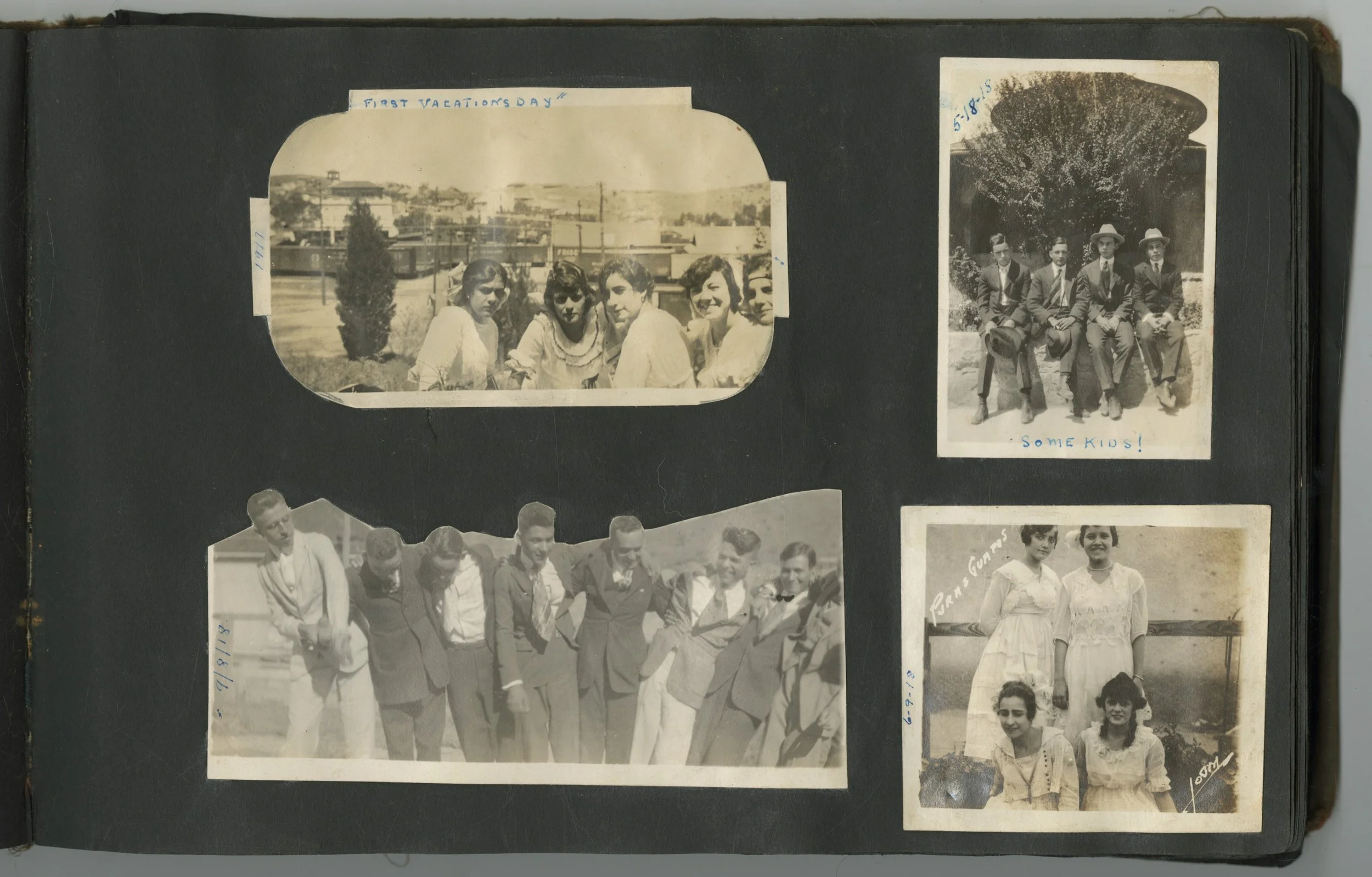
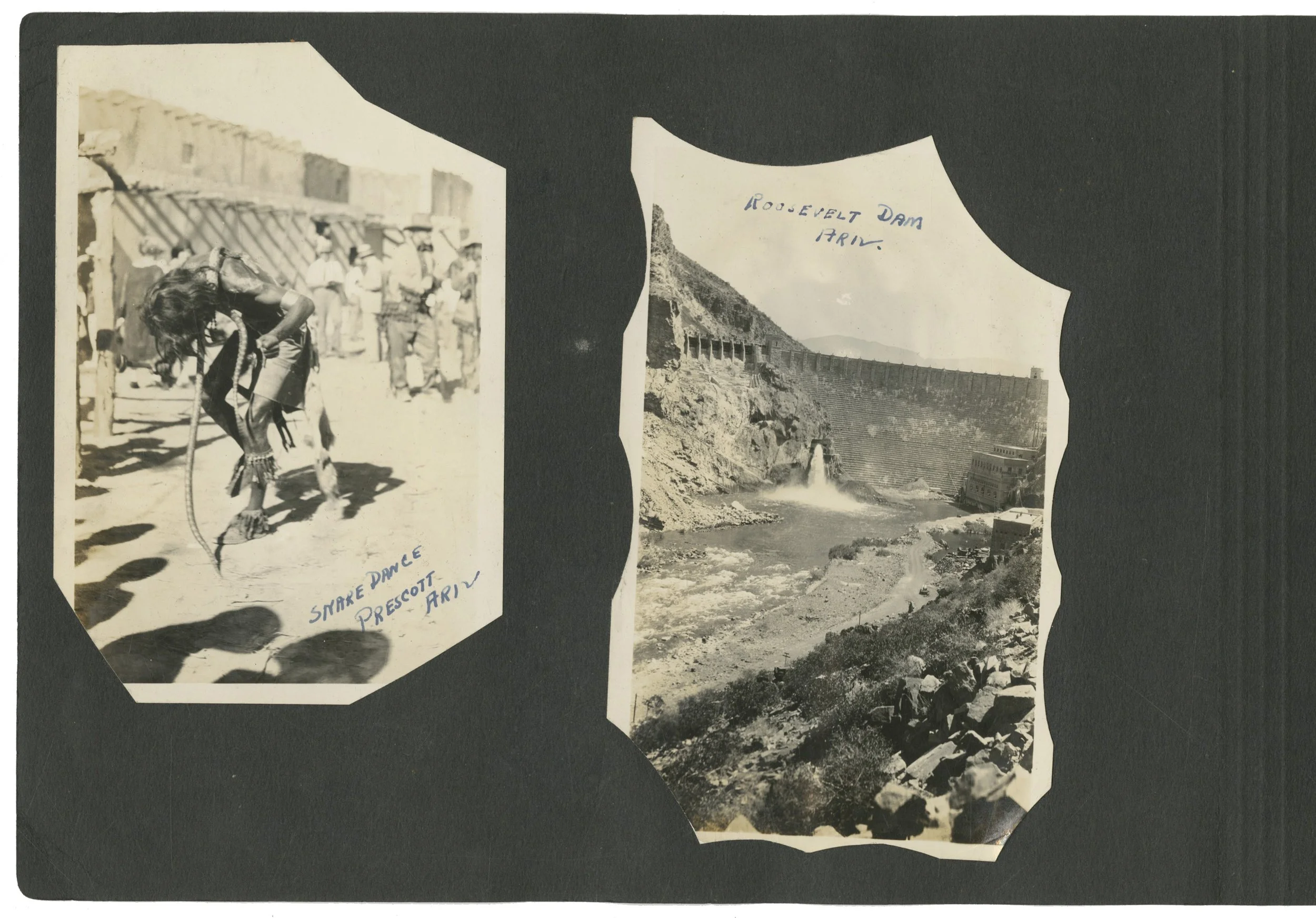
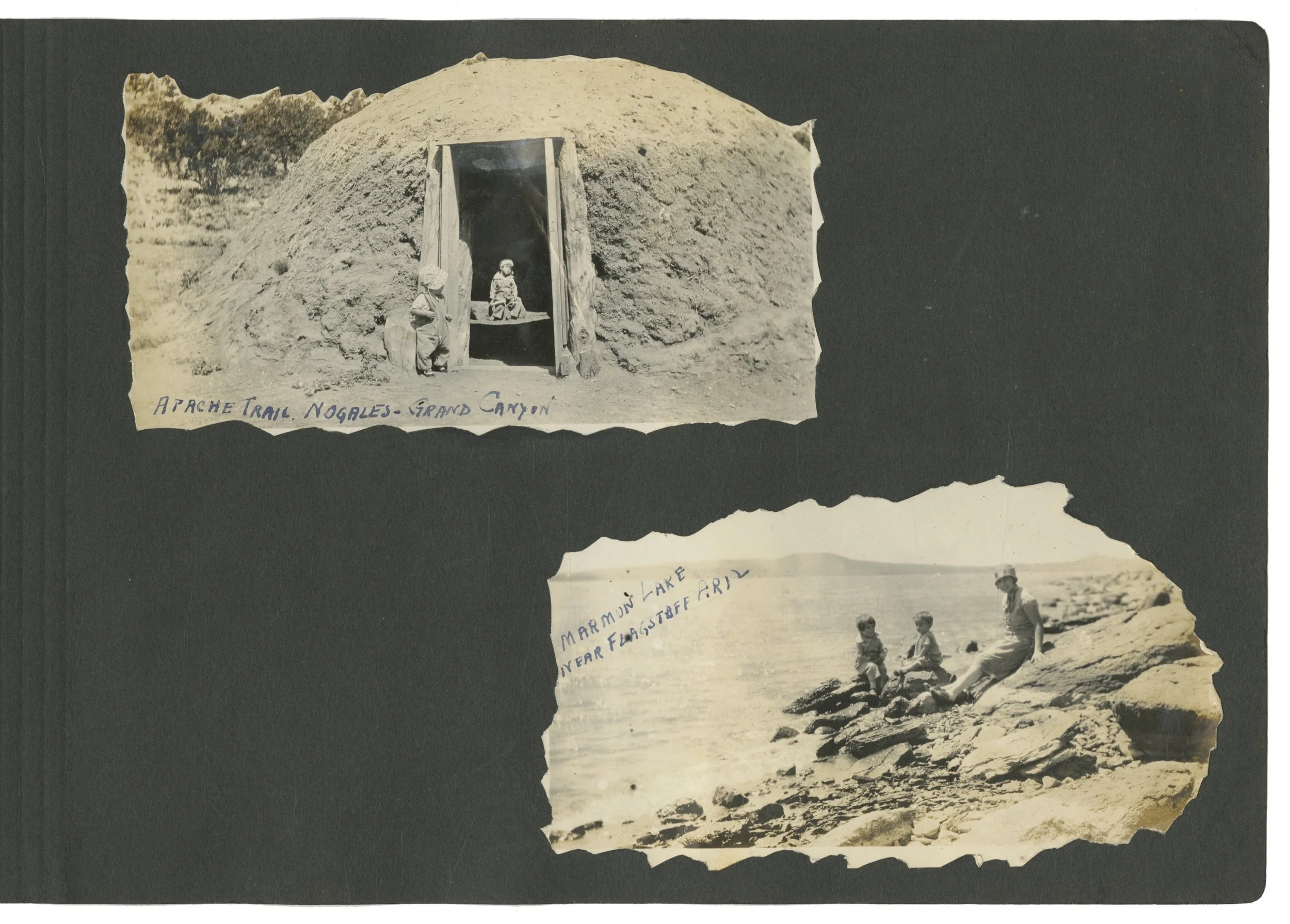
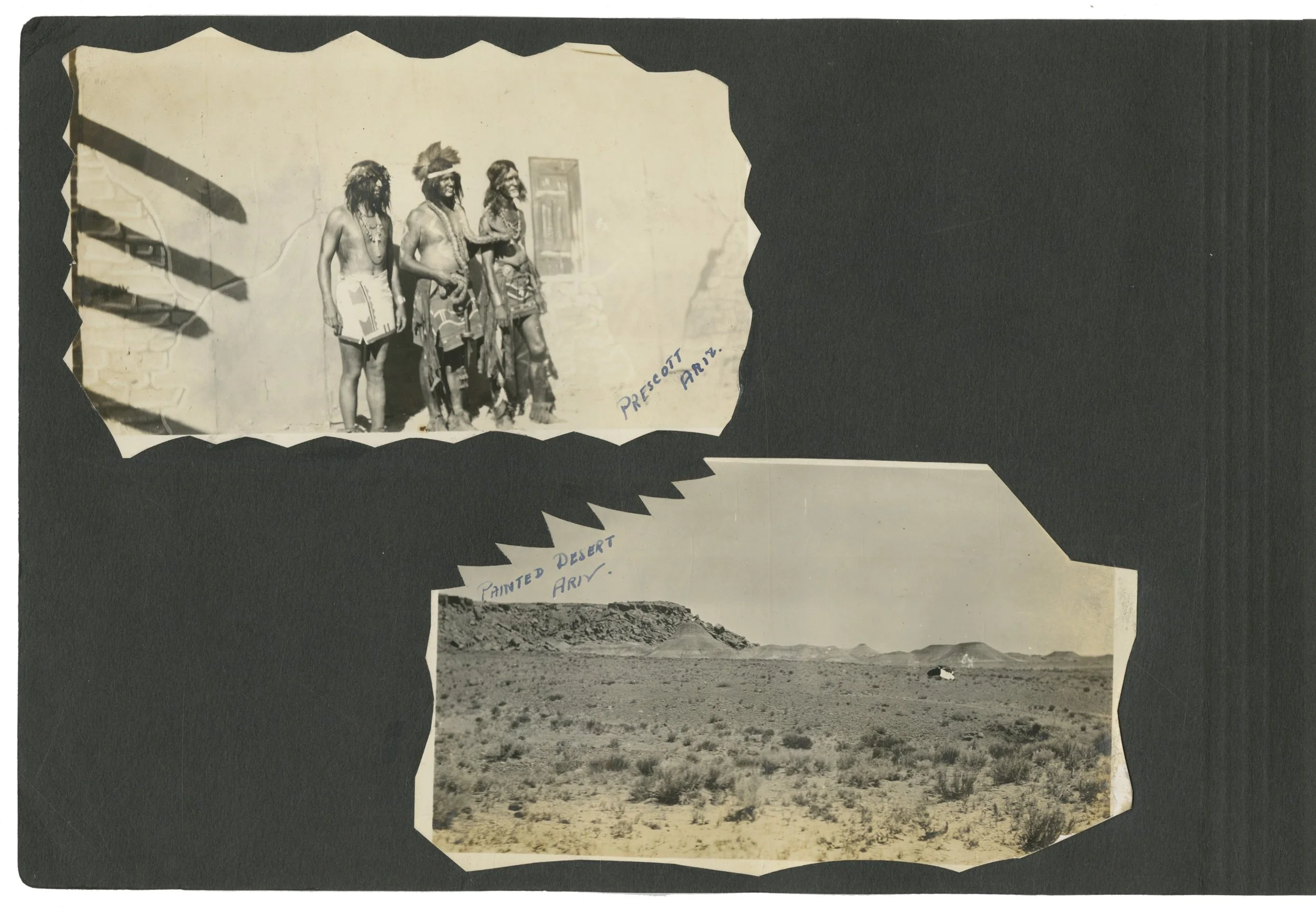
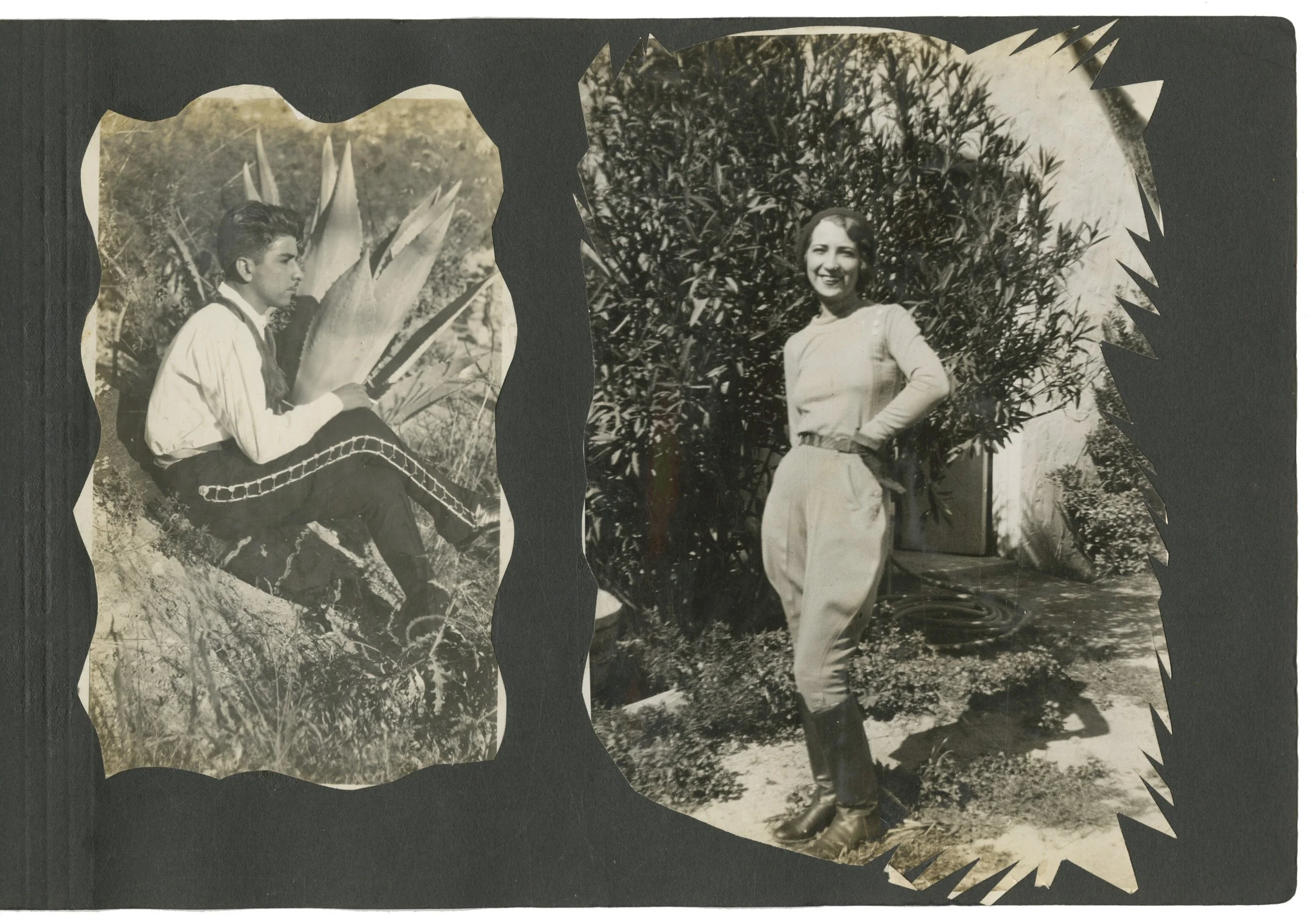
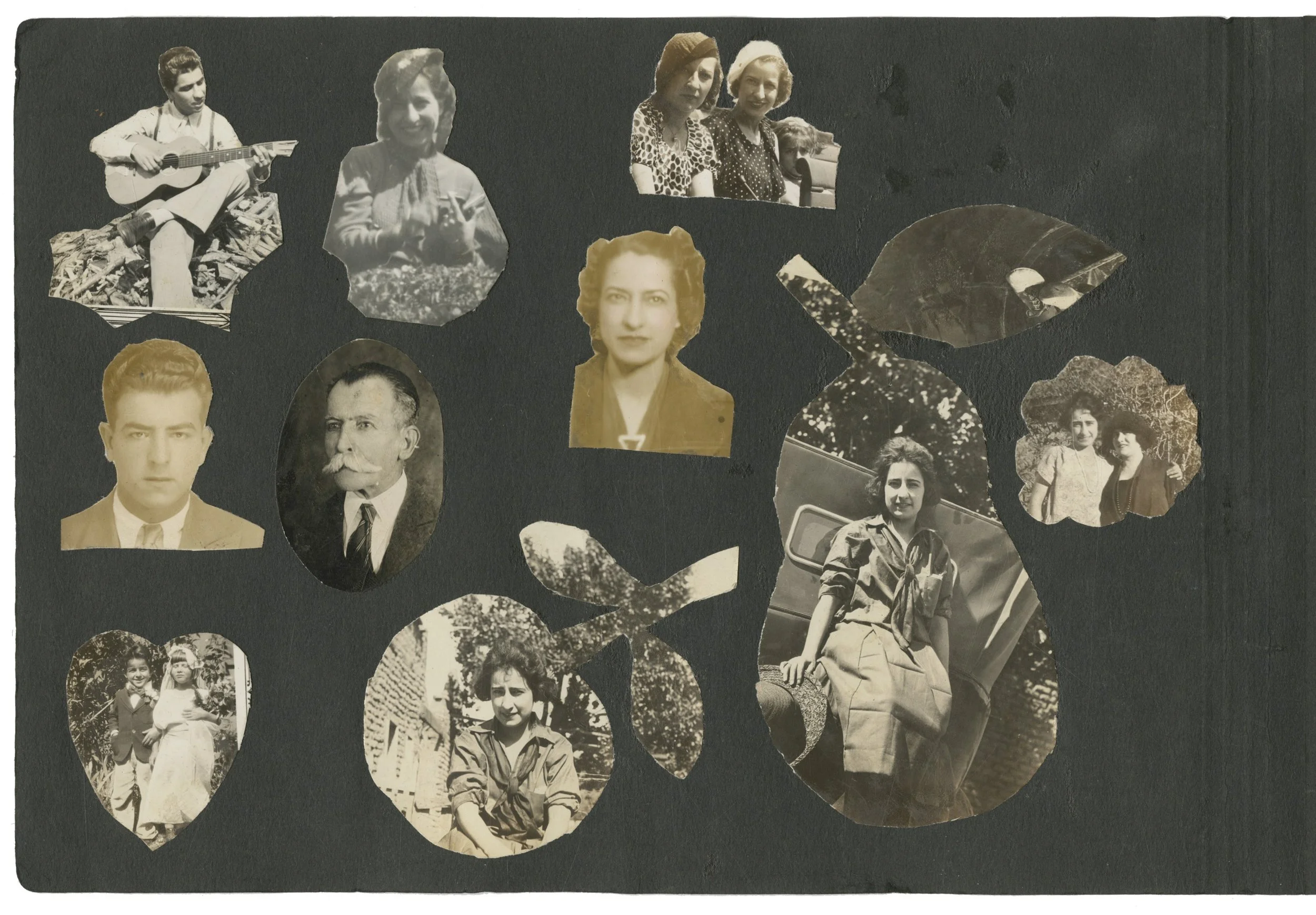
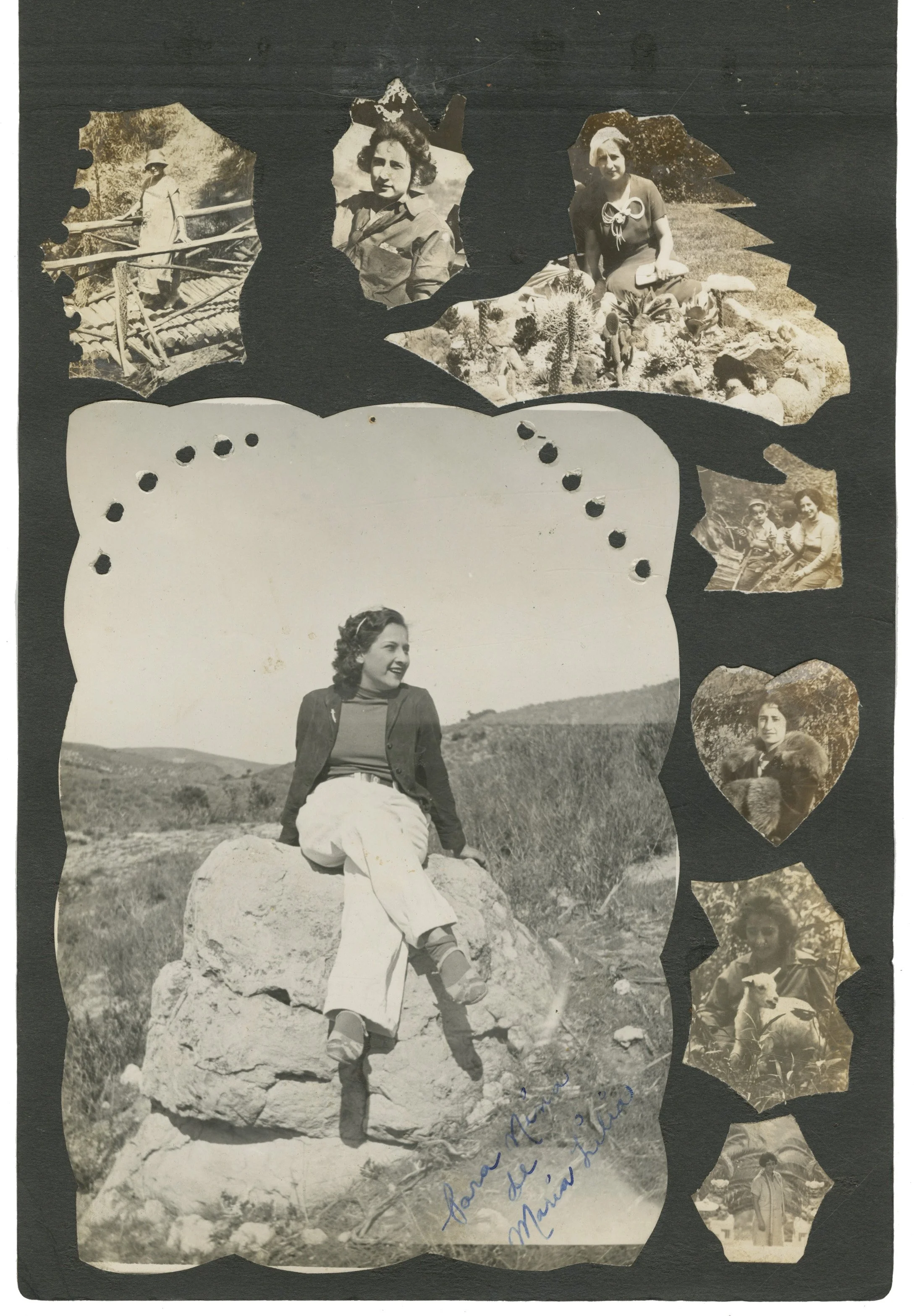
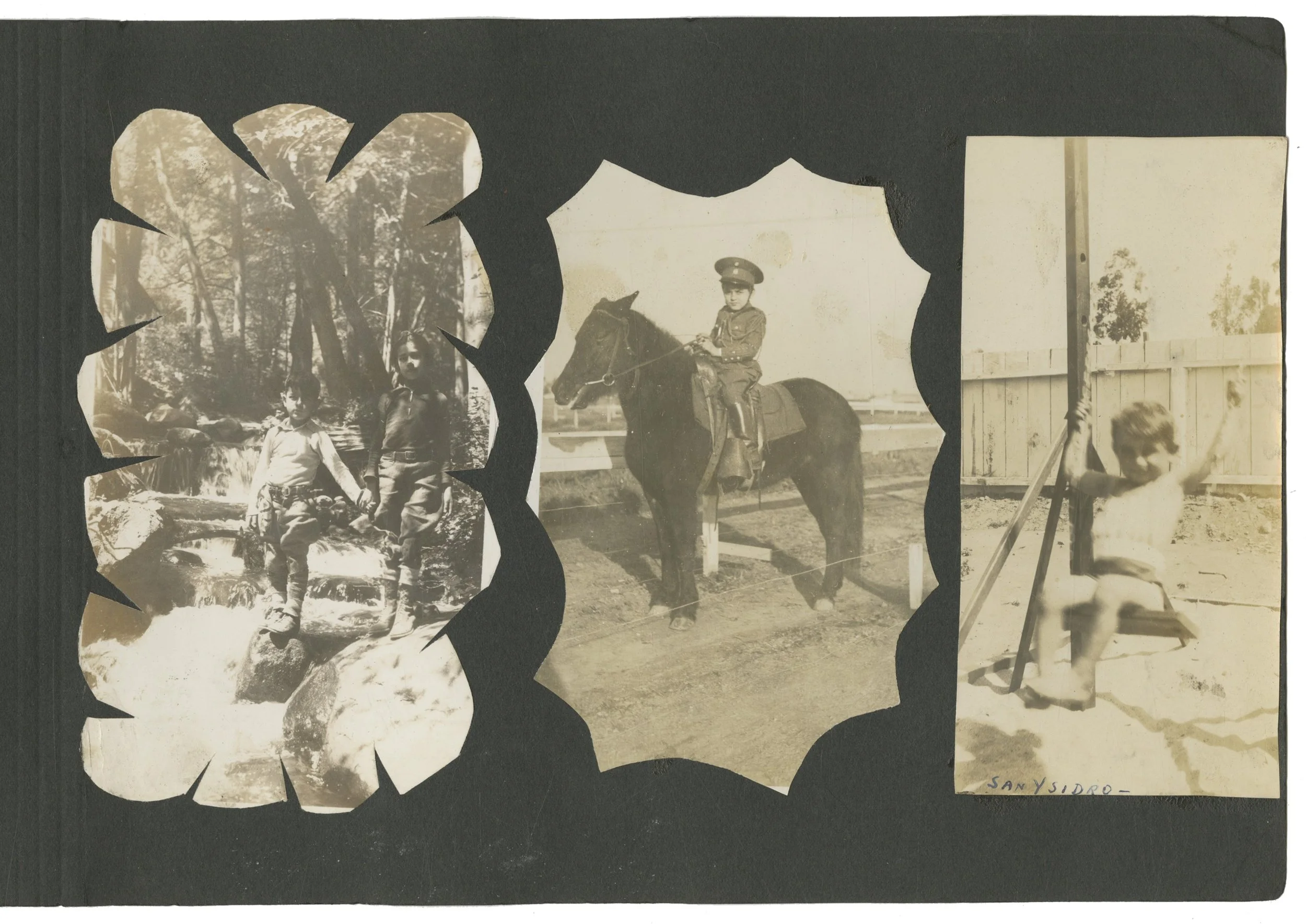
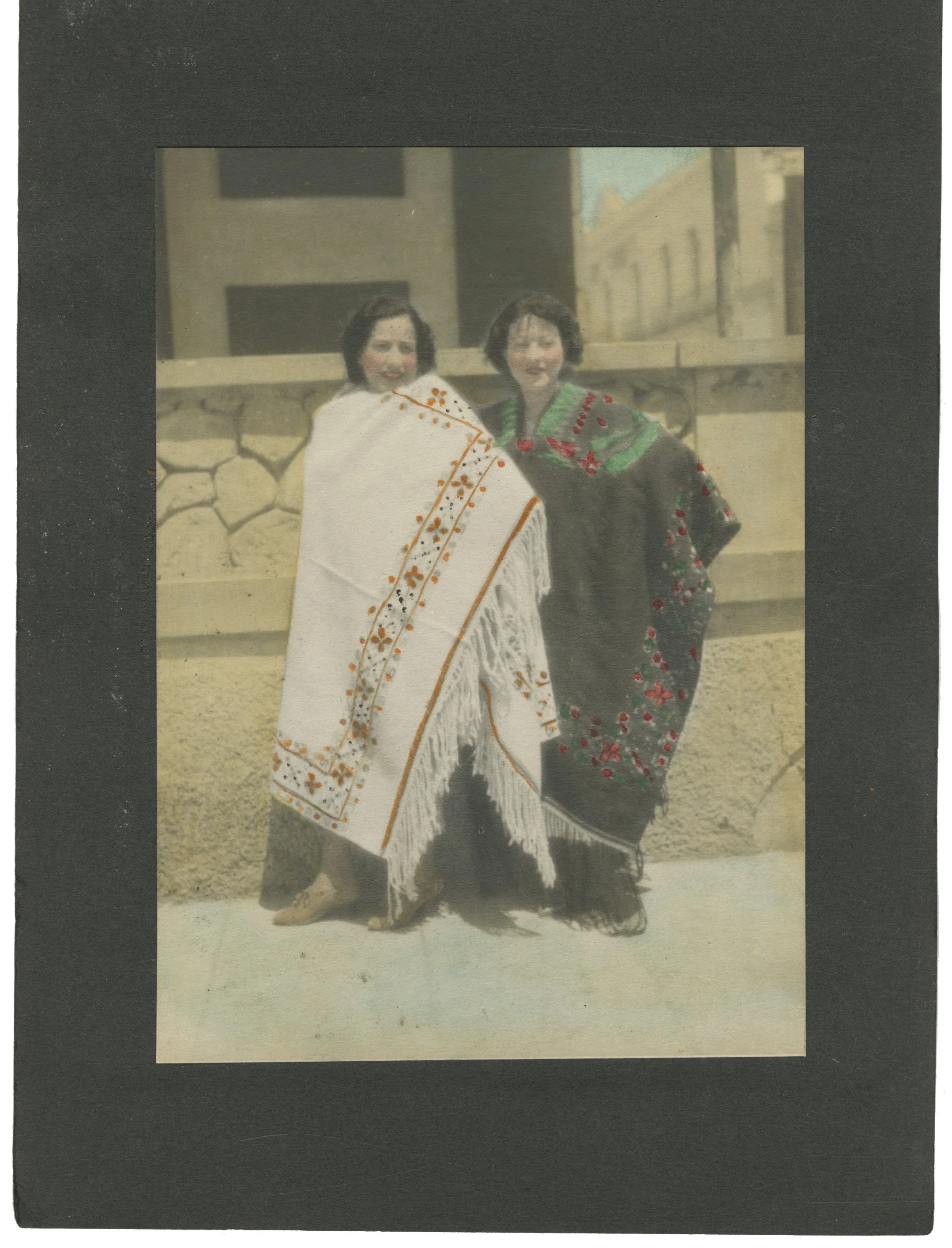
A pair of snapshot albums compiled by an Adriana Barreda (1901-1981) documenting her life and social circle as a teen and young adult in the small border city of Nogales, Arizona from about 1916 into the early-1920’s and adulthood with her husband (Heberto Rodriguez) and young children (Rebecca and Herberto Jr.) in San Diego, California, from about the mid-1920’s into the early-1930’s.
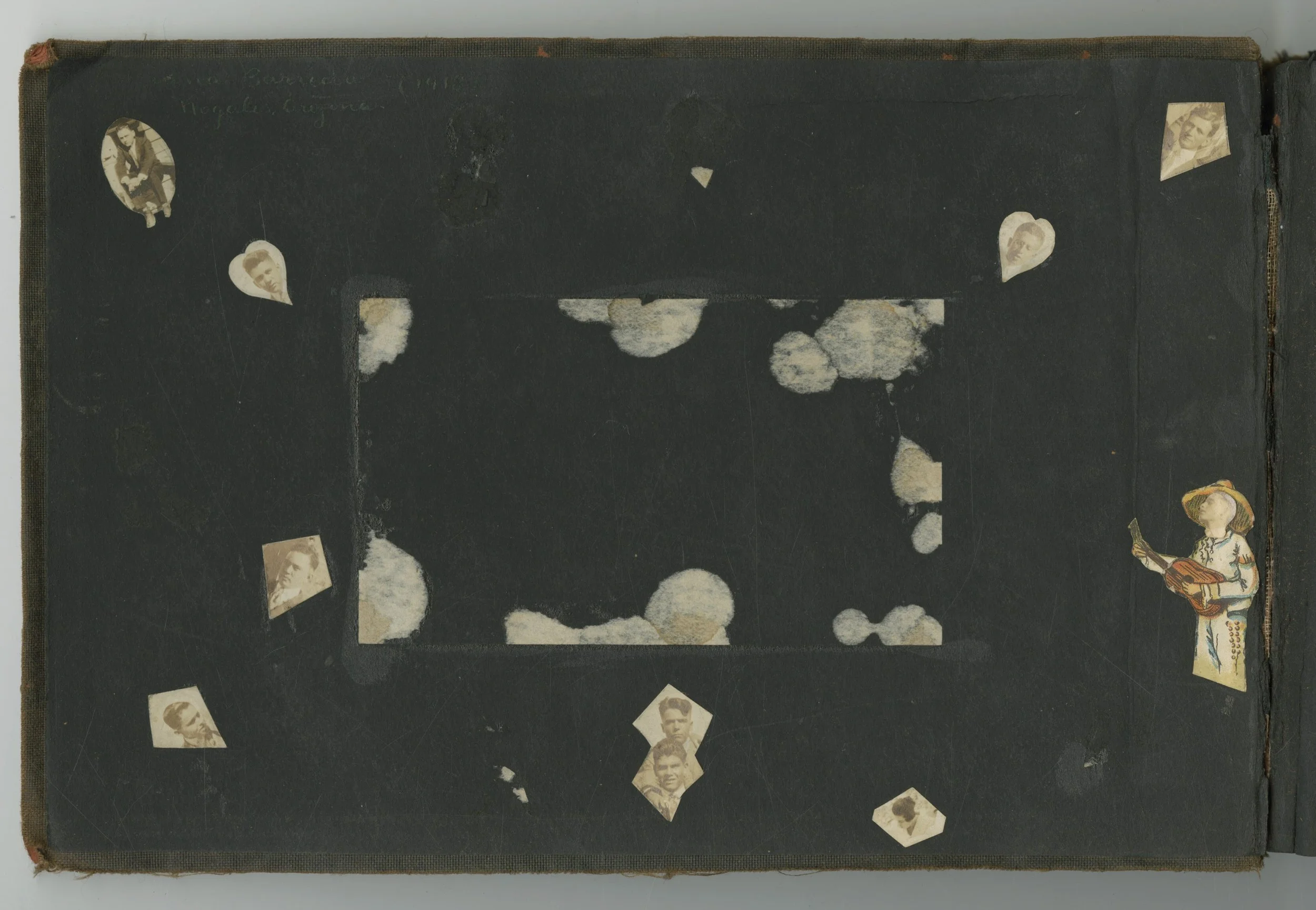
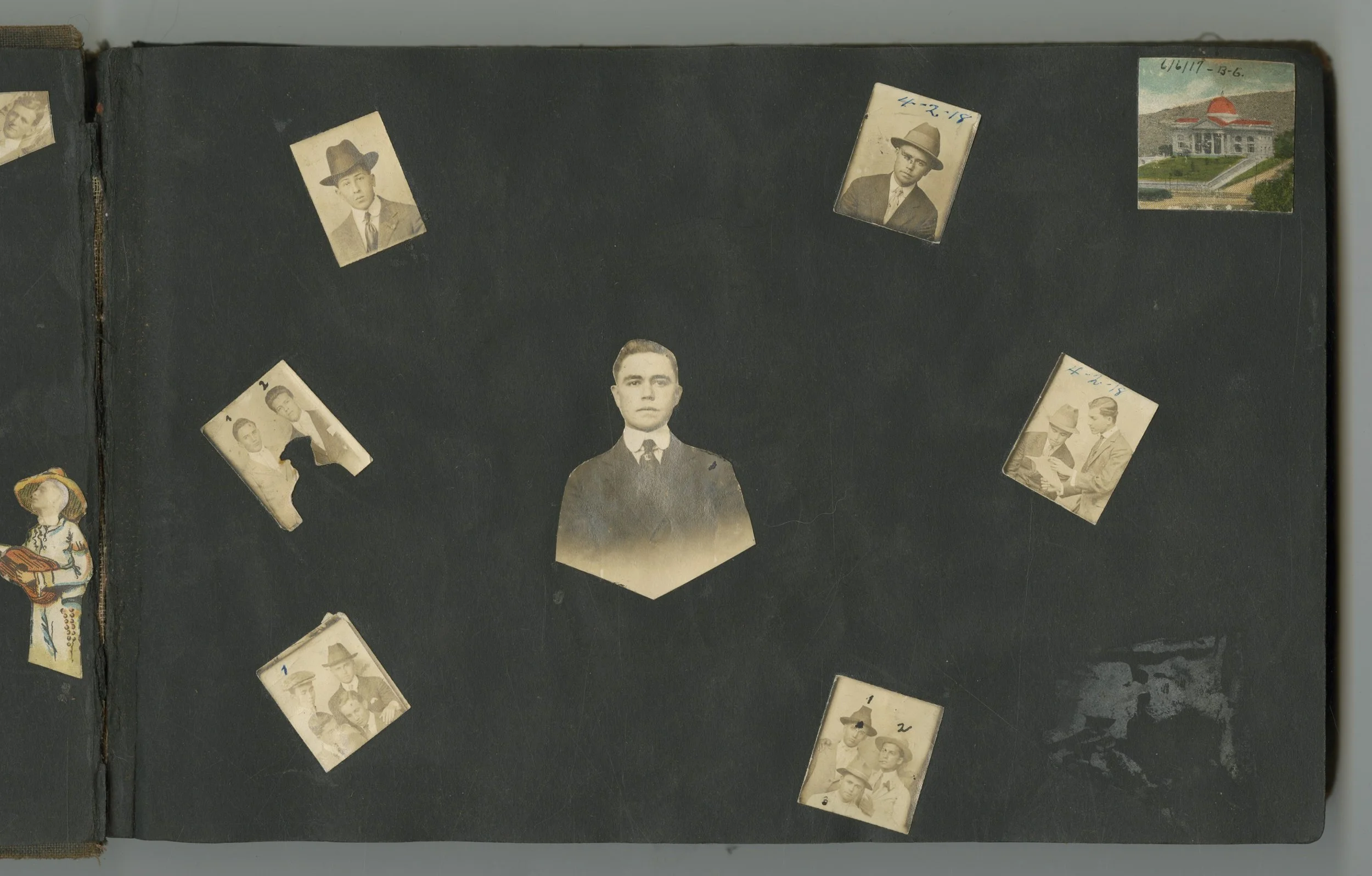
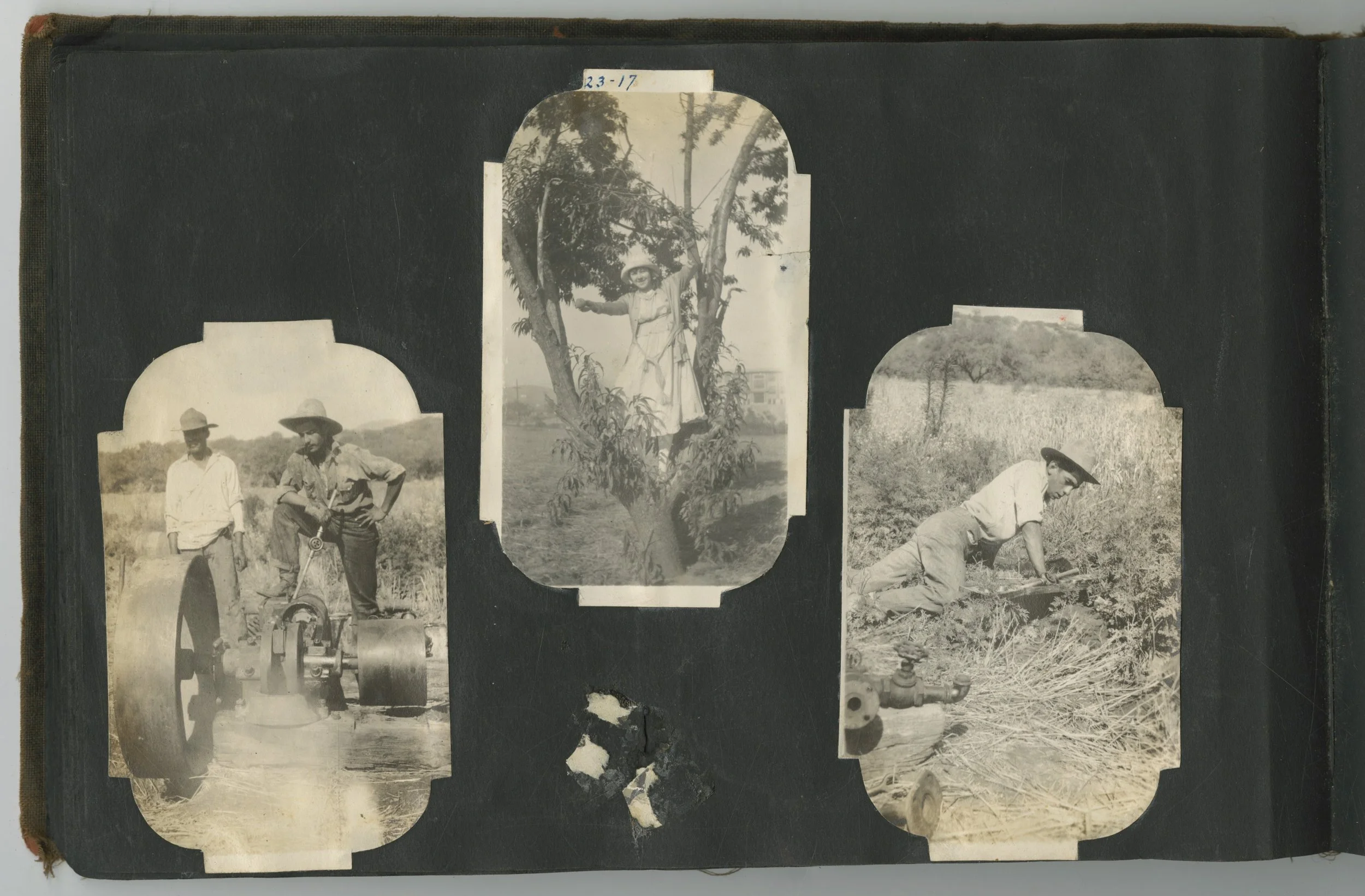
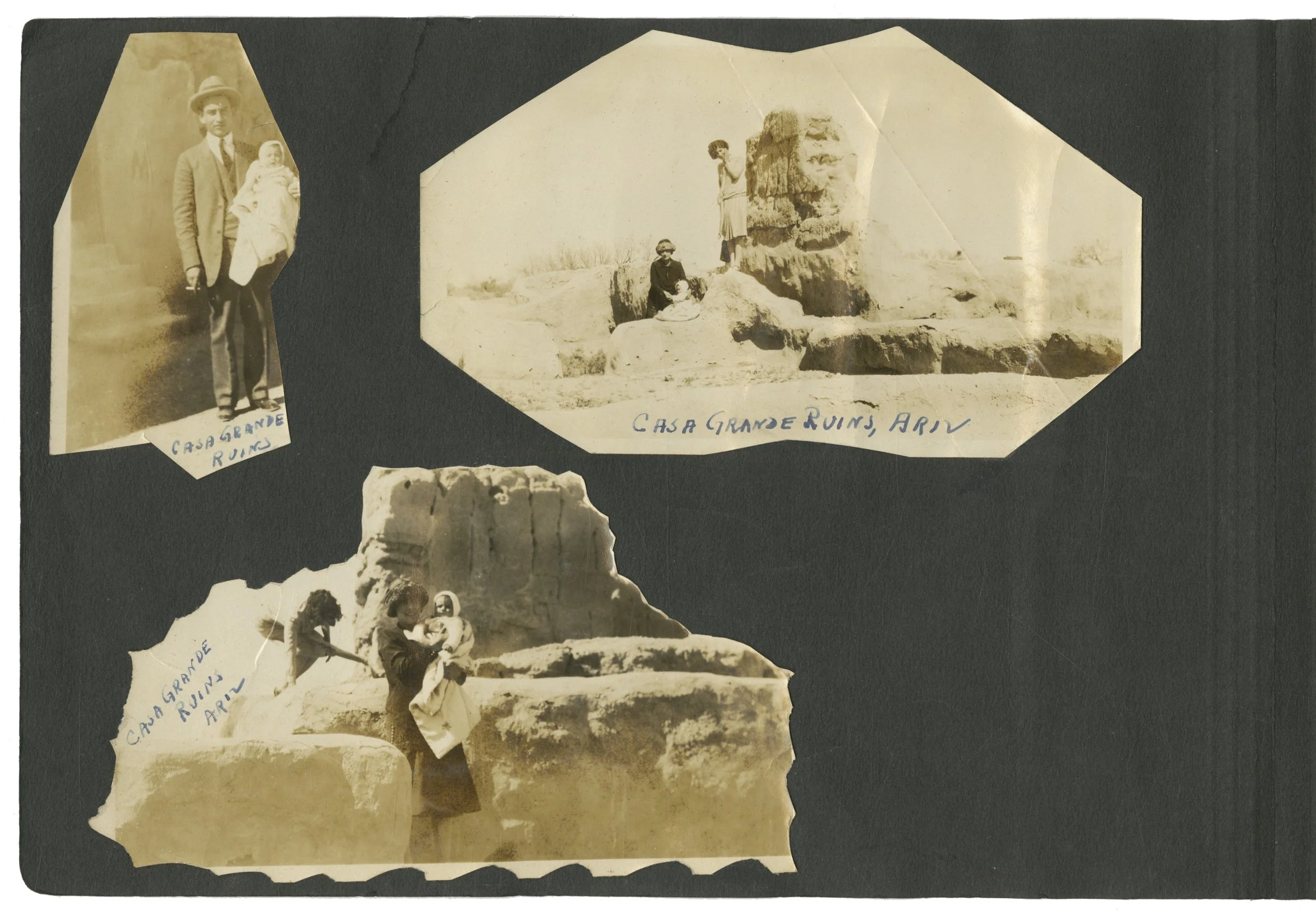
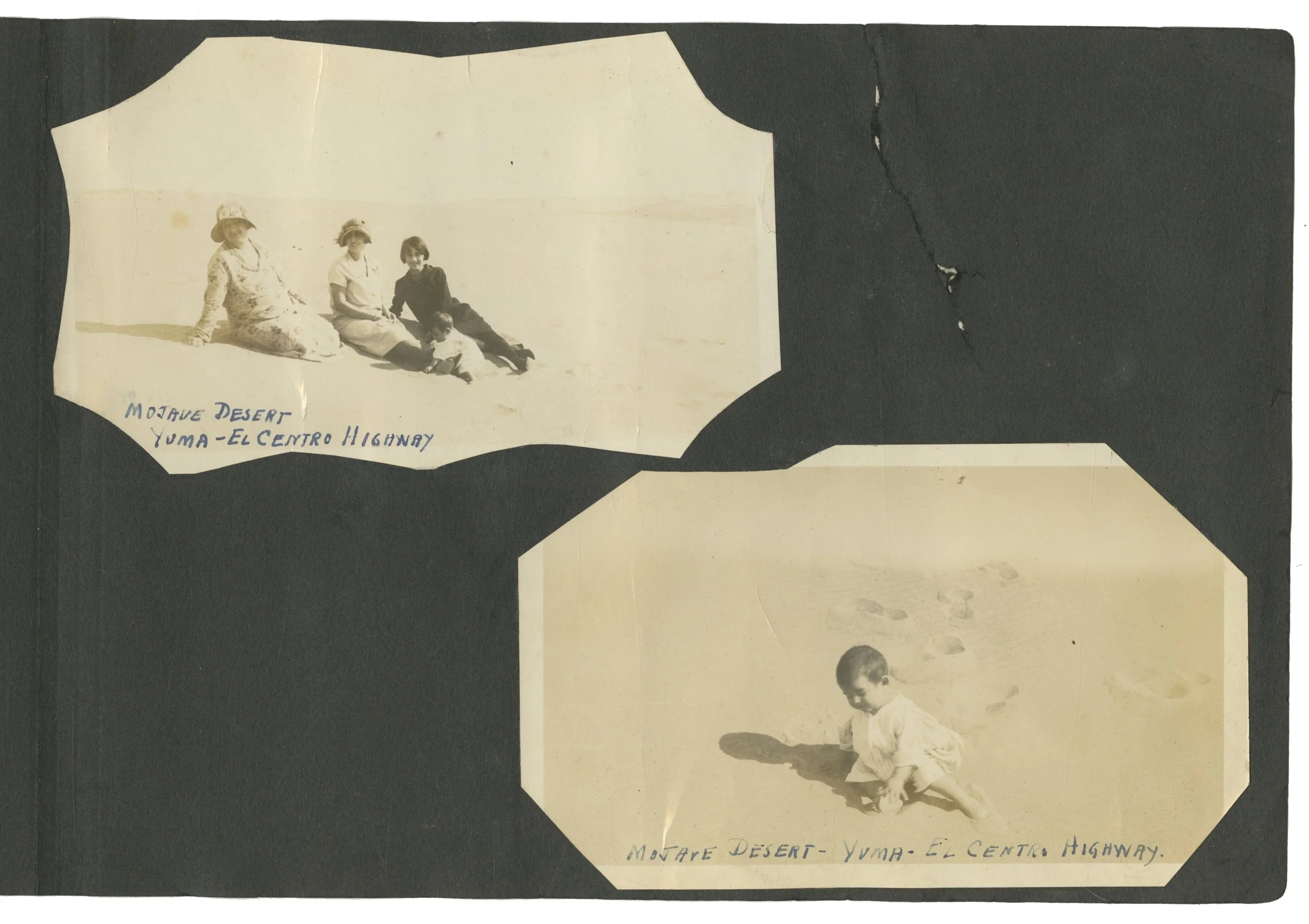
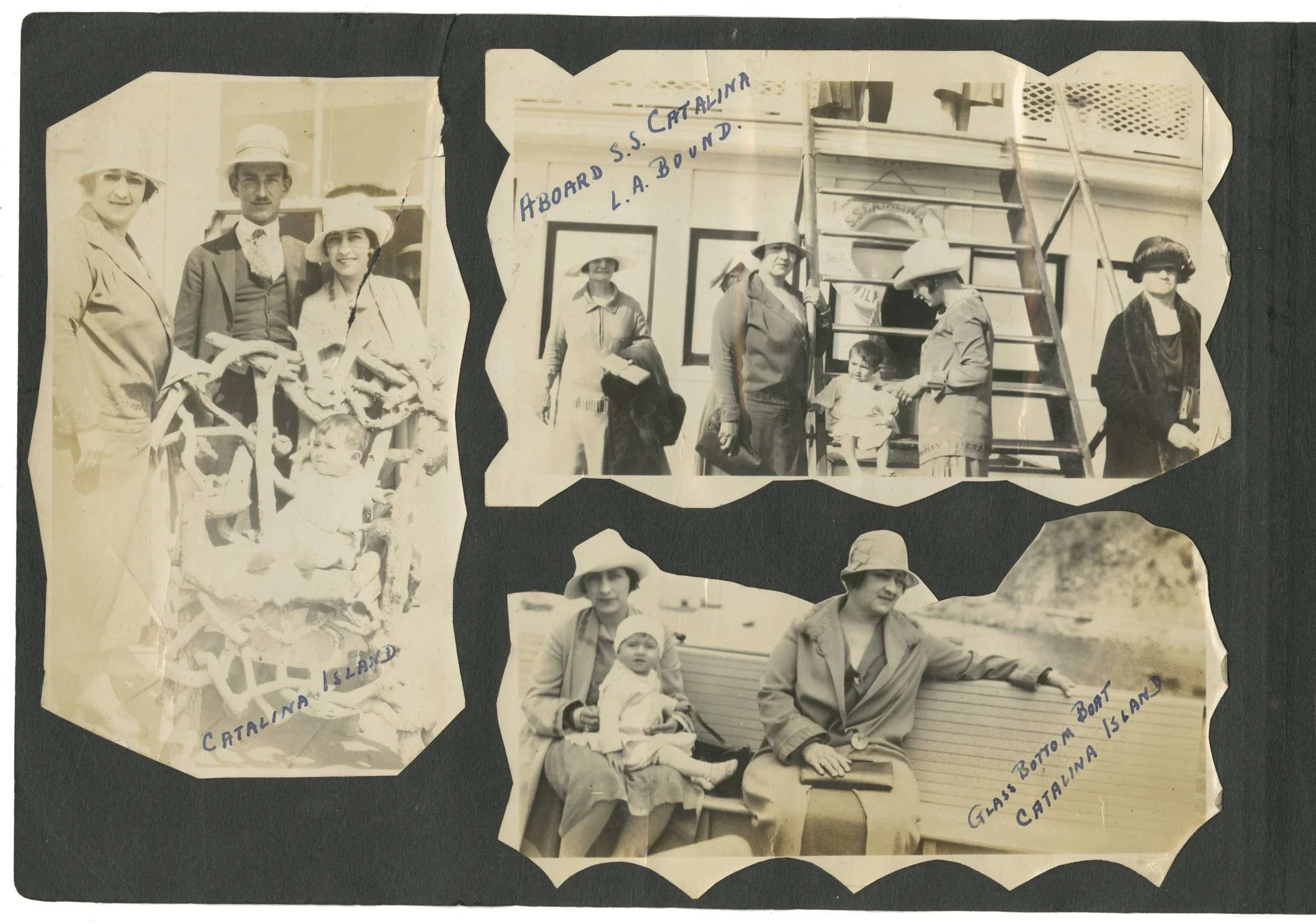
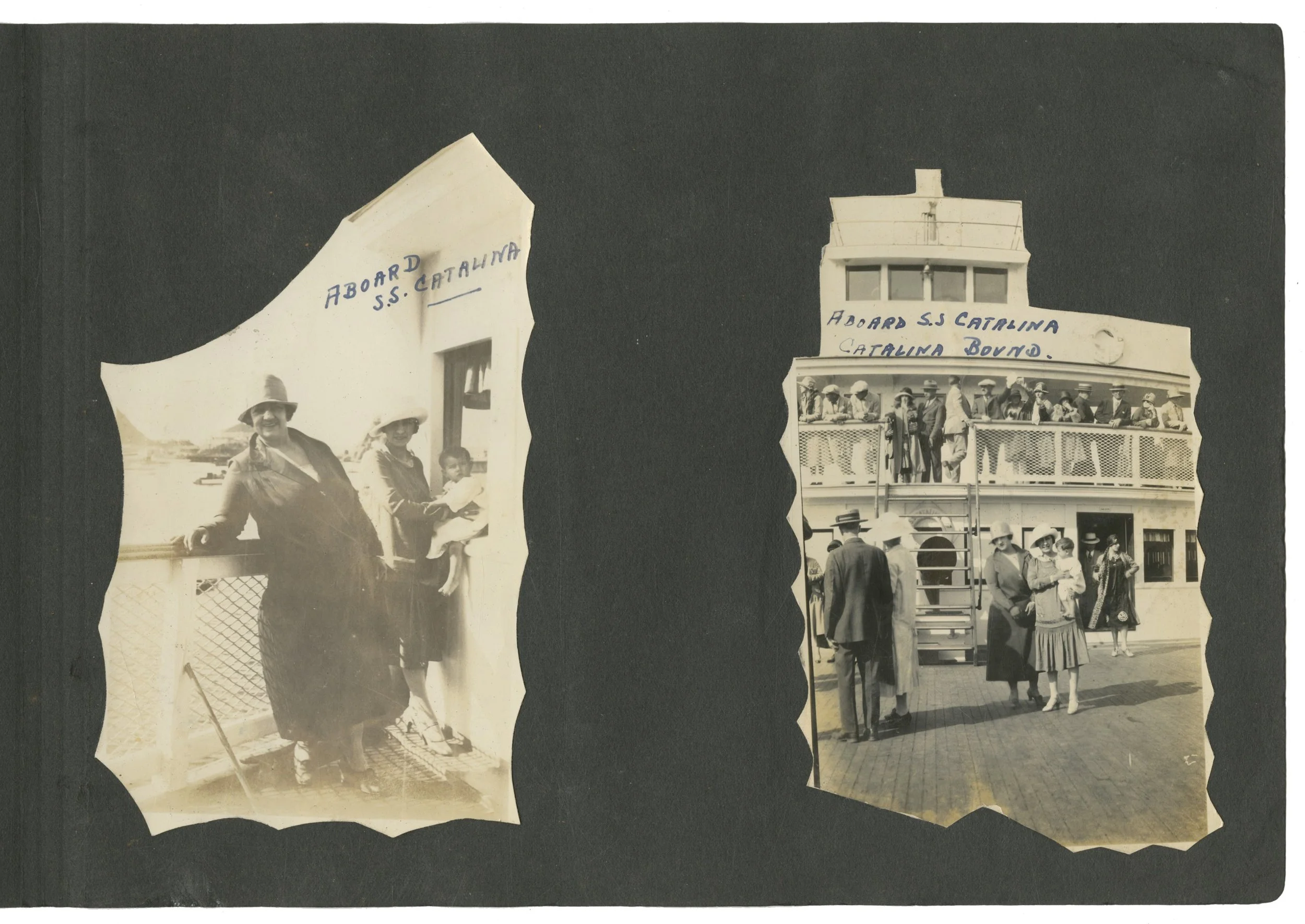
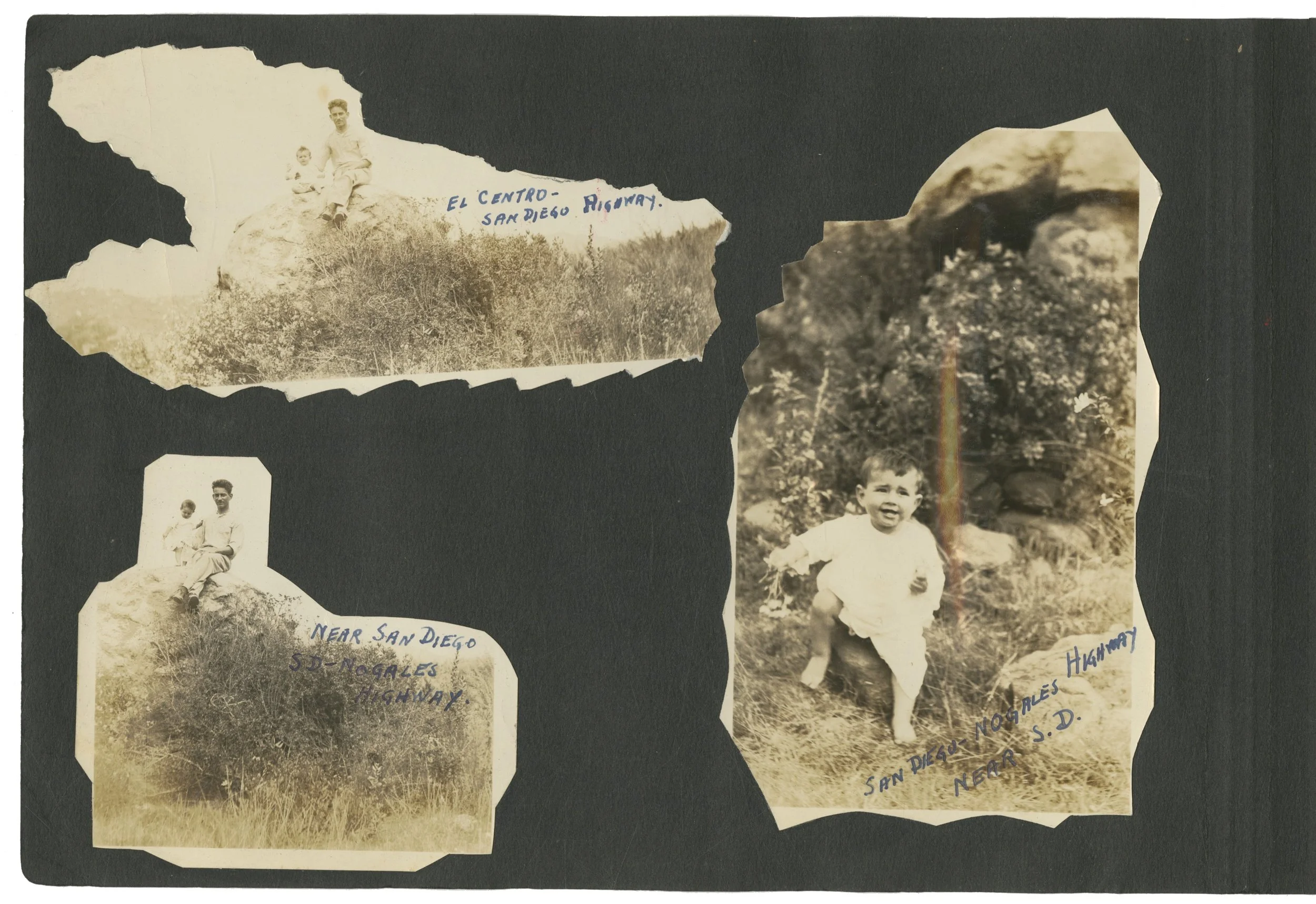
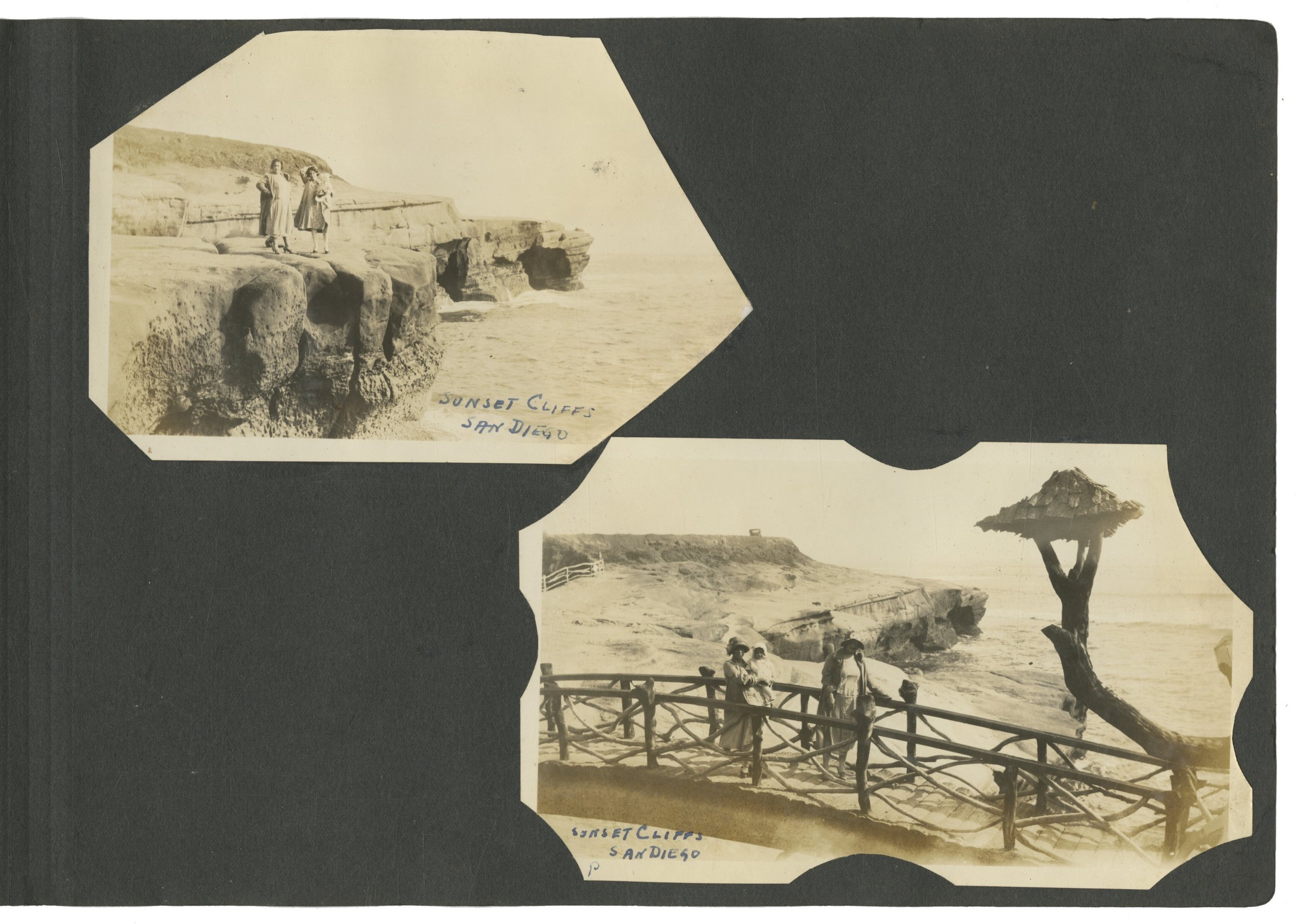
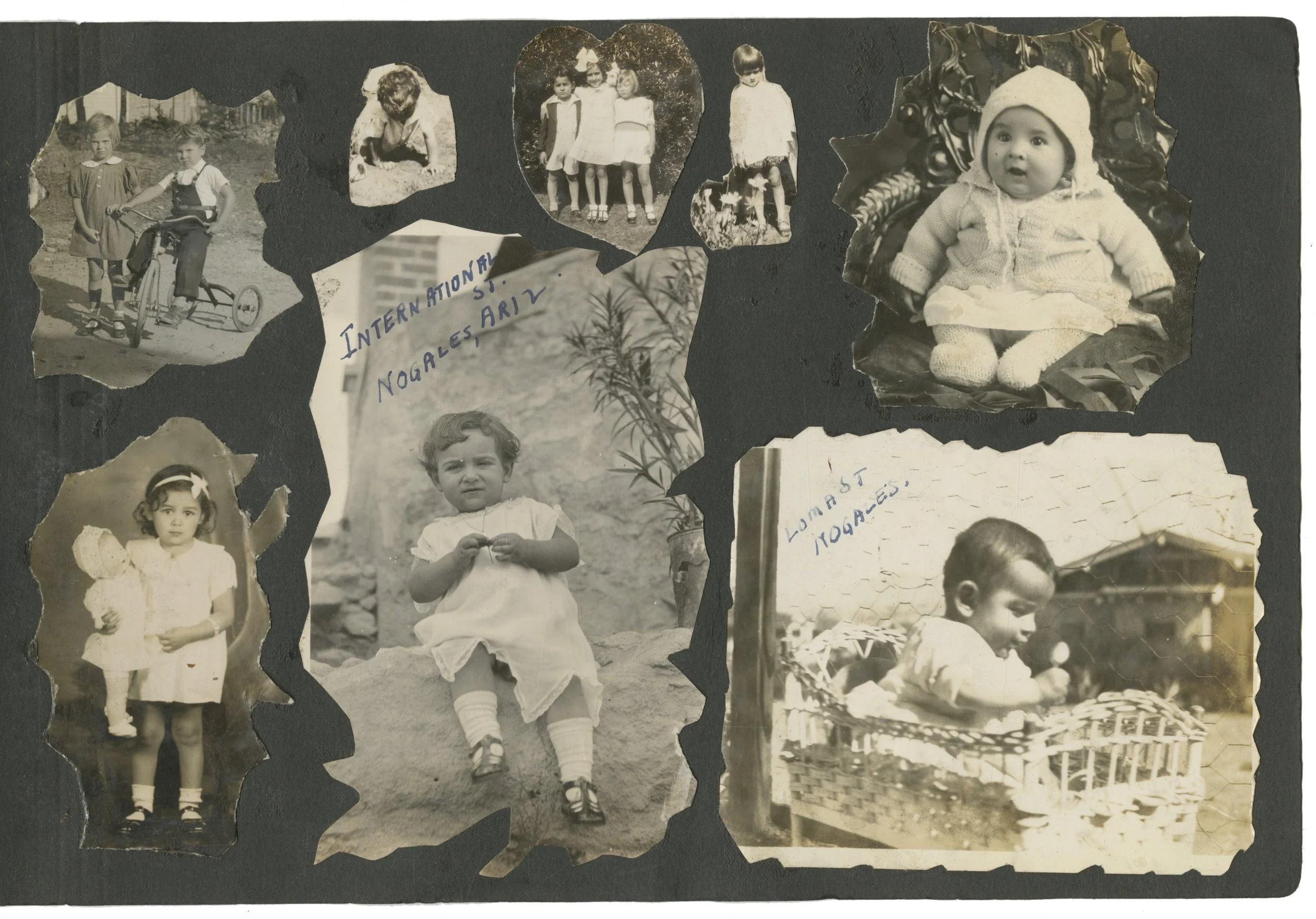
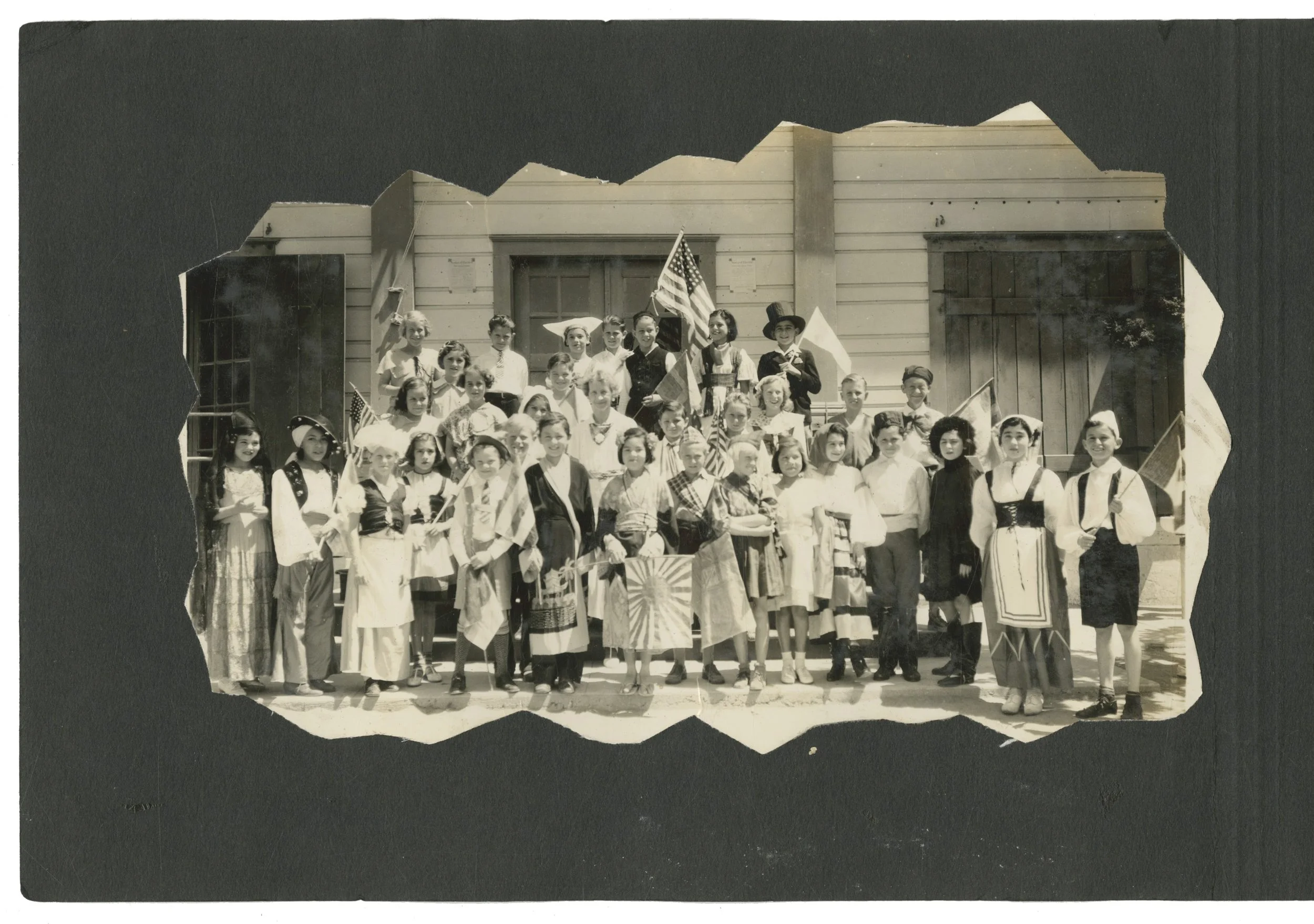
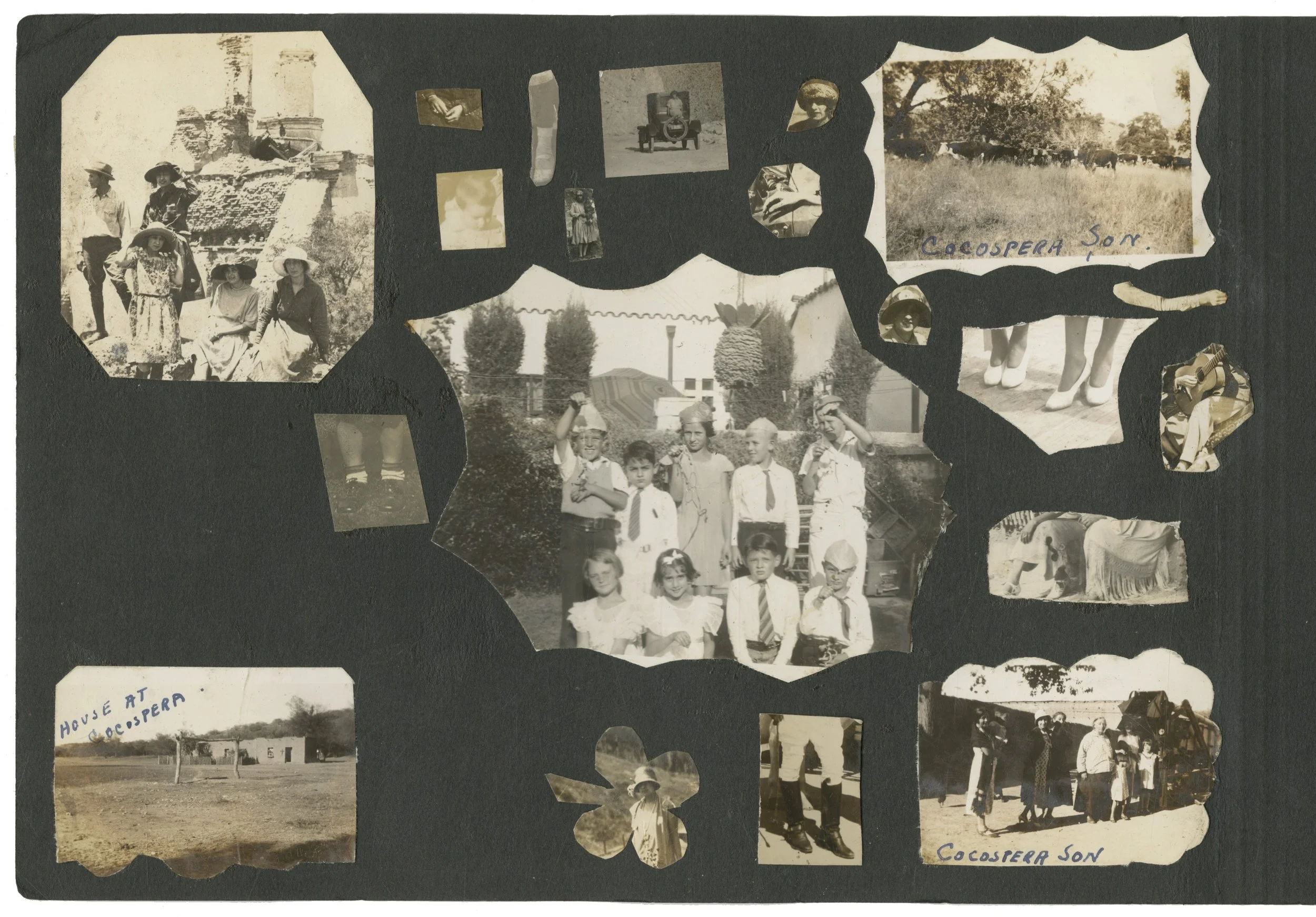
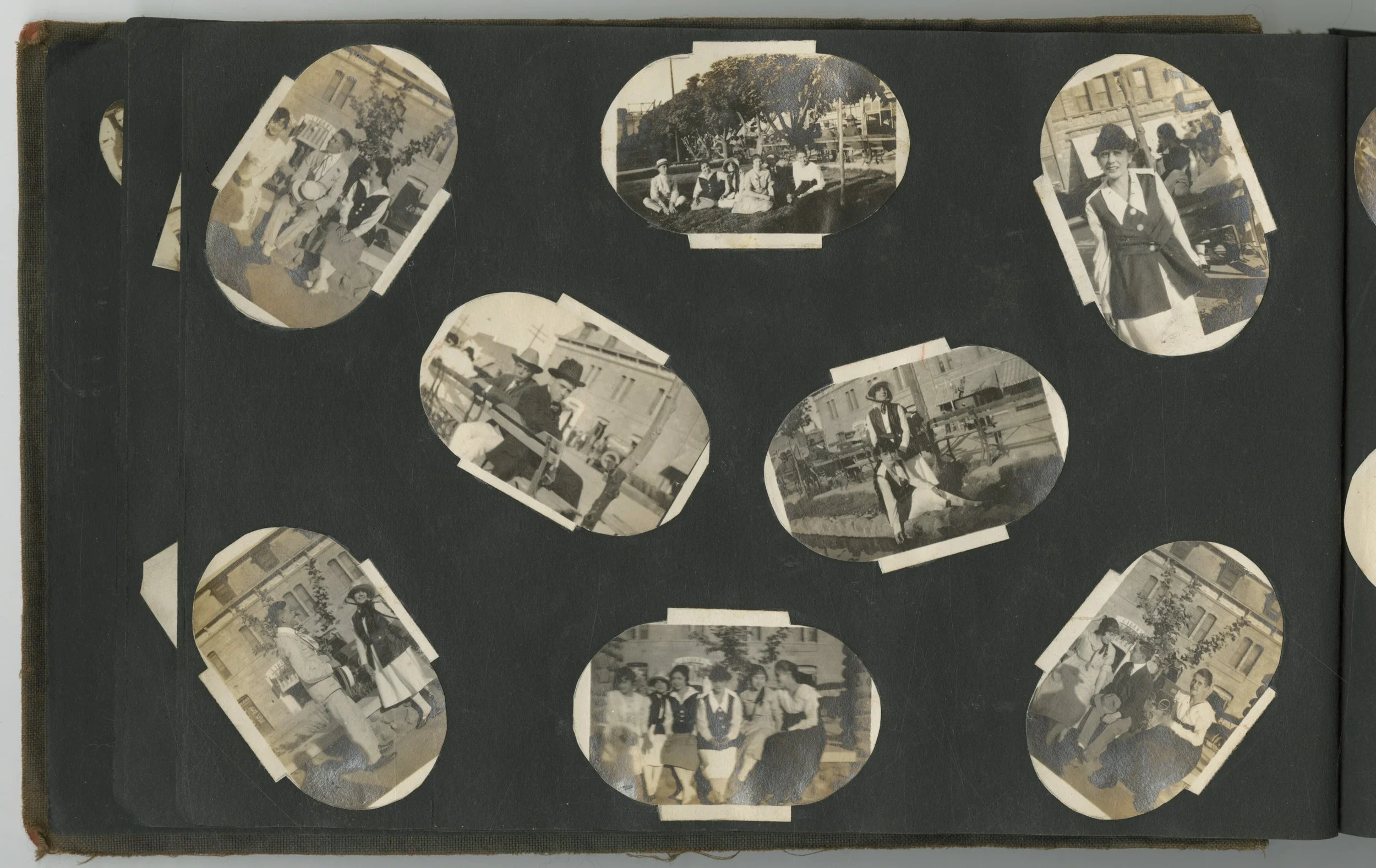
The first album seems almost entirely of Nogales from about 1915 to 1918. The second album also has Nogales content but more chiefly documents travel to California and what ancestral records suggest was a relocation to San Diego sometime prior to 1930. There are many snapshots intricately cut down into small portraits, though across both albums, there are more than 600 individual photographic views at least 3/4 of which we believe document Nogales.
Adriana was born in Hermosillo, Sonora in 1901 and immigrated to The United States in 1913. Her father, Jose, listed his occupation as a grocery salesman in the 1920 census and Adriana listed hers as sales for an electric company. She married Herberto of Tucson in 1923. The couple appears to have returned to Mexico, possibly fleeing conditions related to The Depression, to live sometime during the 1930’s and each was living in Jalisco when they died.
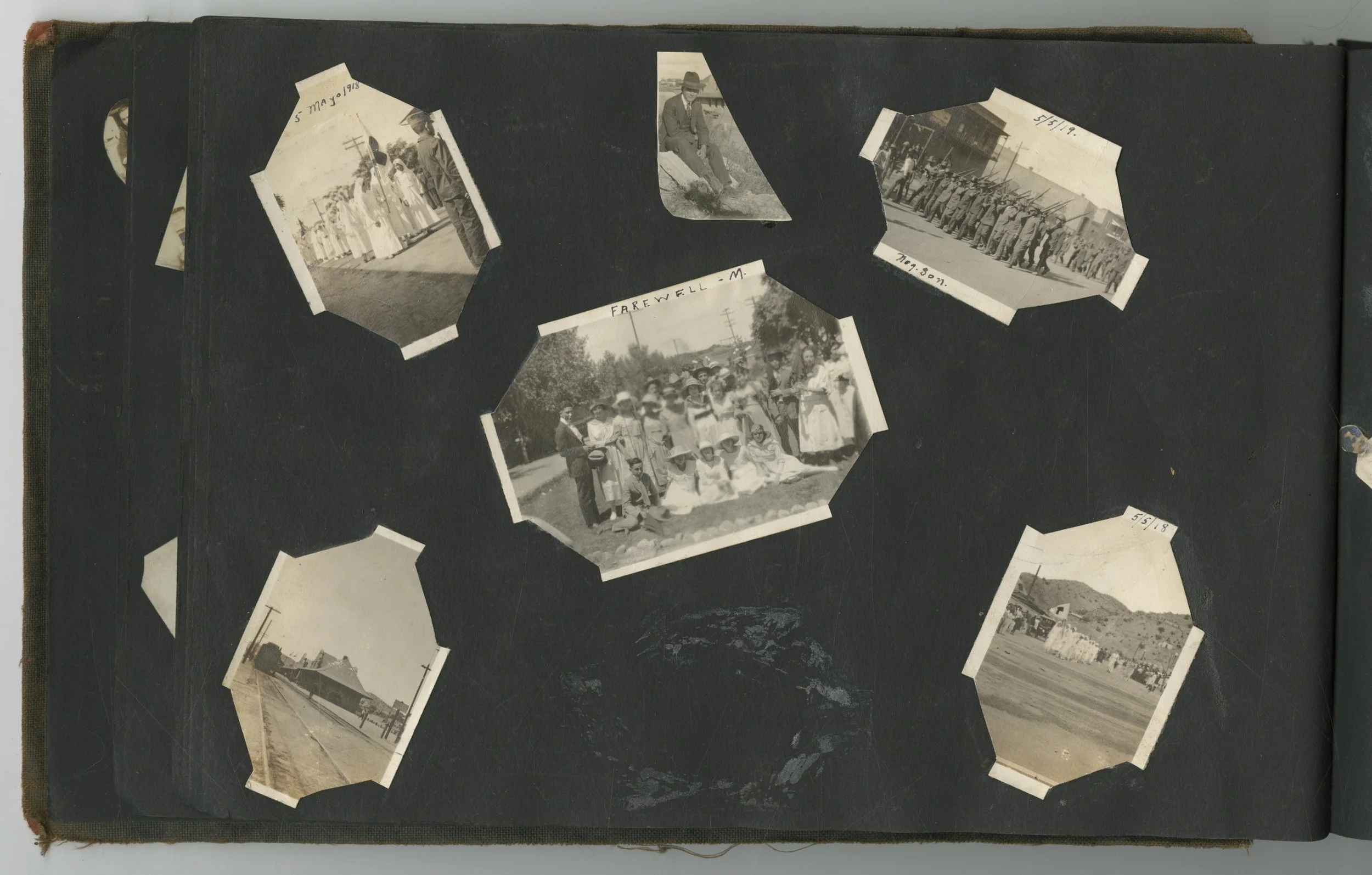
Reports in archived newspaper issues note a young Adriana’s attendance at social functions in the “Mexican Colony” section of the small, increasingly-segregated city (the American side was home to about 5,000 at the time) which was experiencing significant contemporary tension, with the first formal border fence between the two countries erected through the center of town in 1918 amid the ongoing Mexican Border War and a notable flare of local conflict between American and Mexican forces.
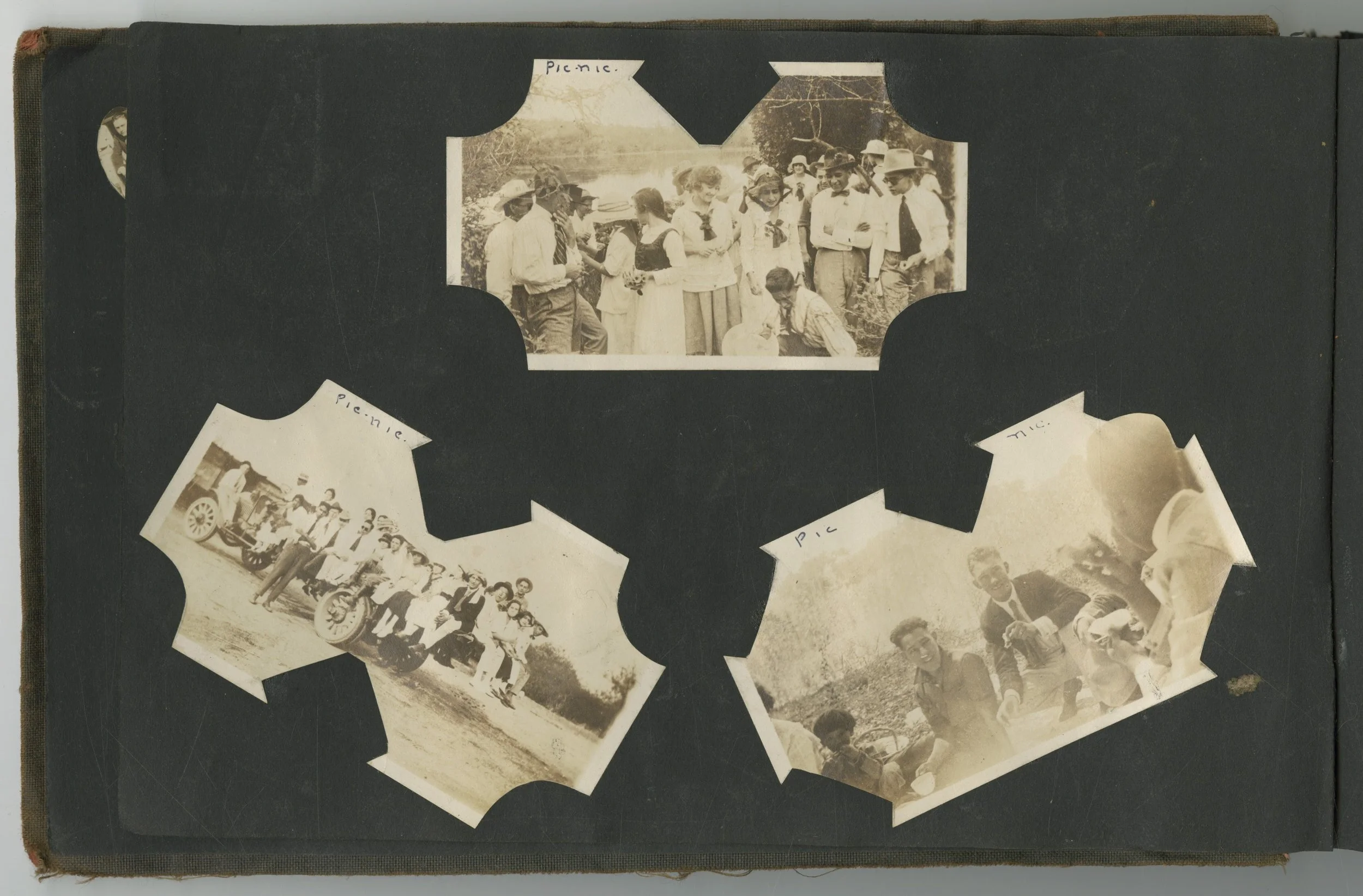
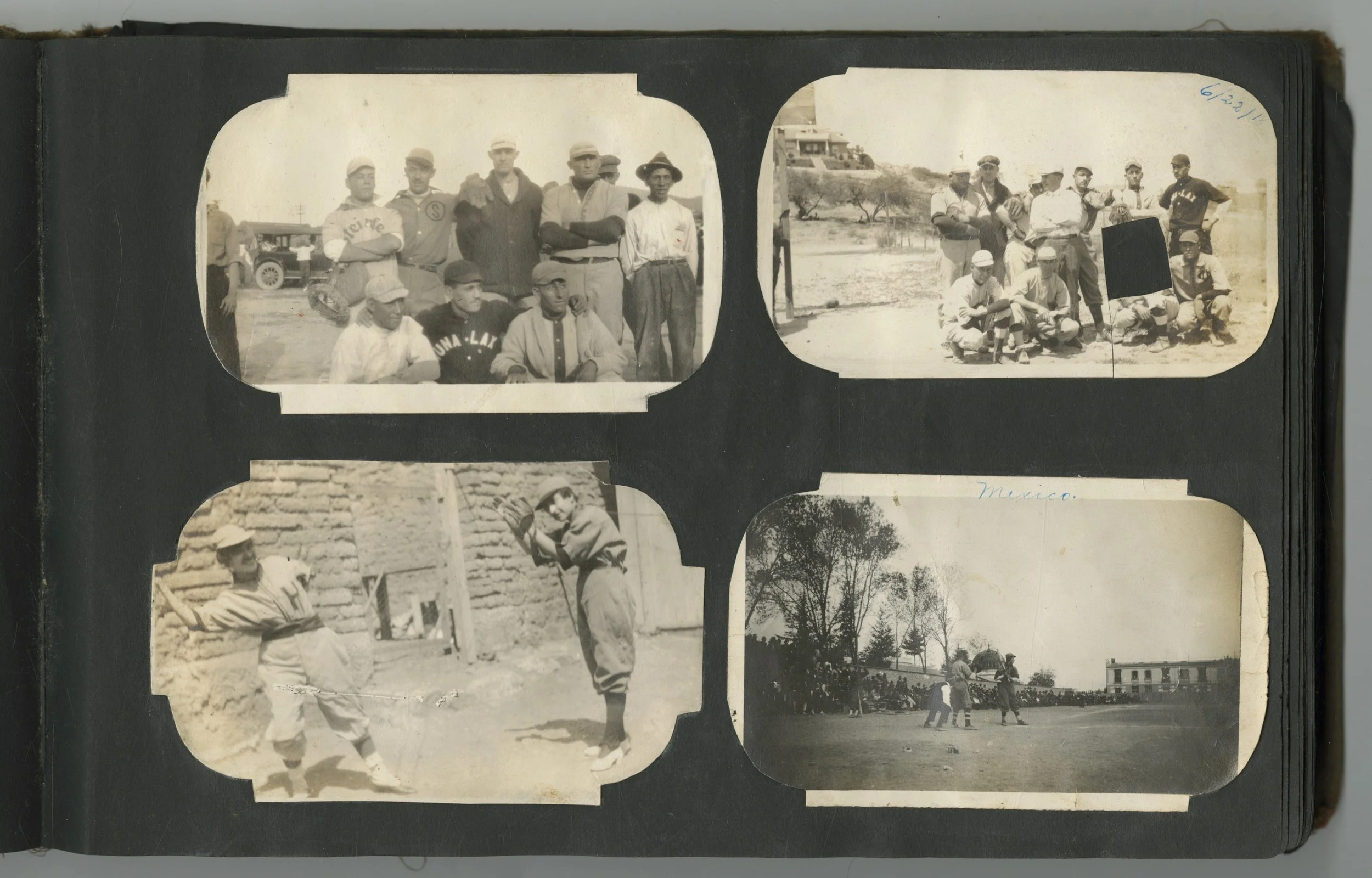
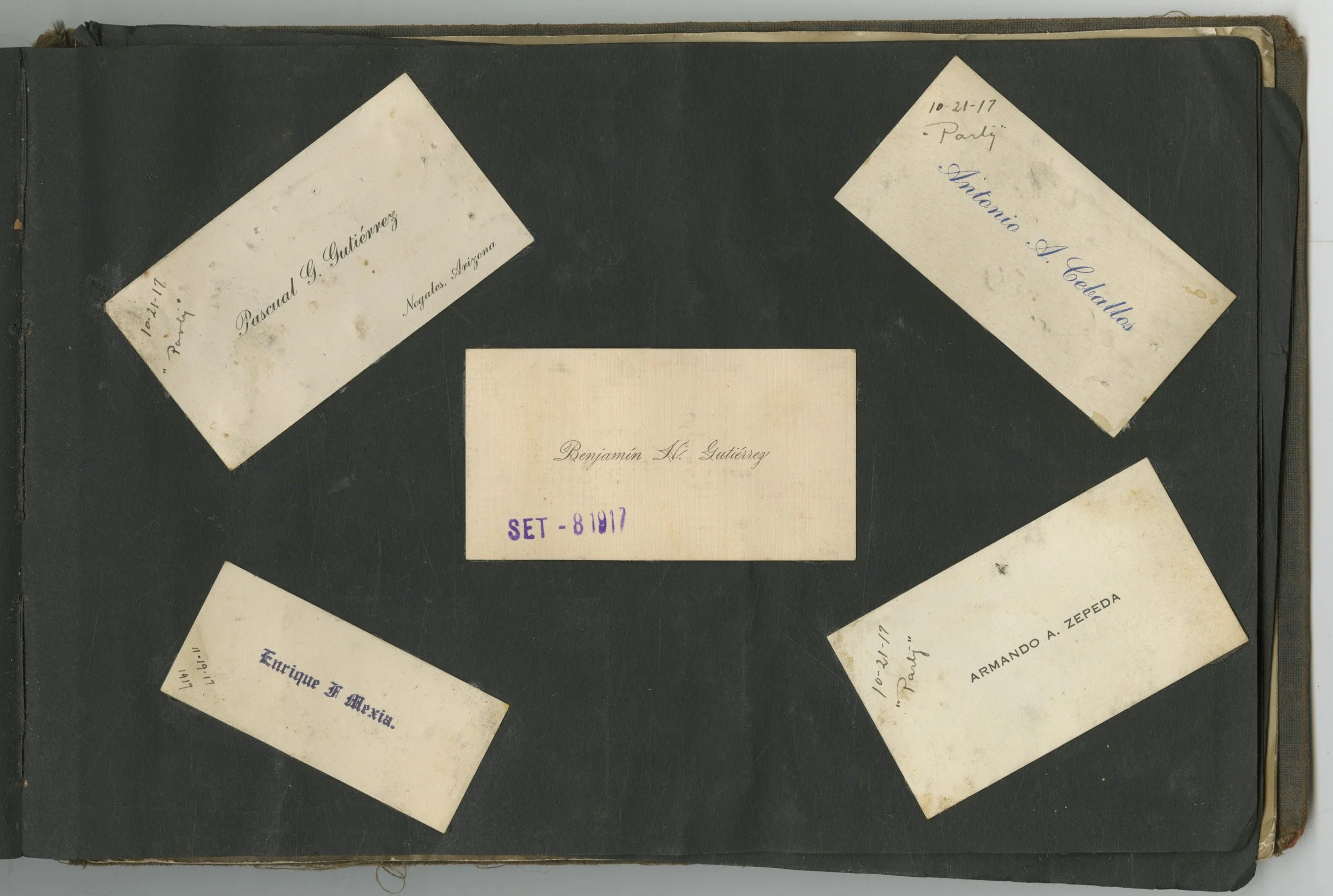
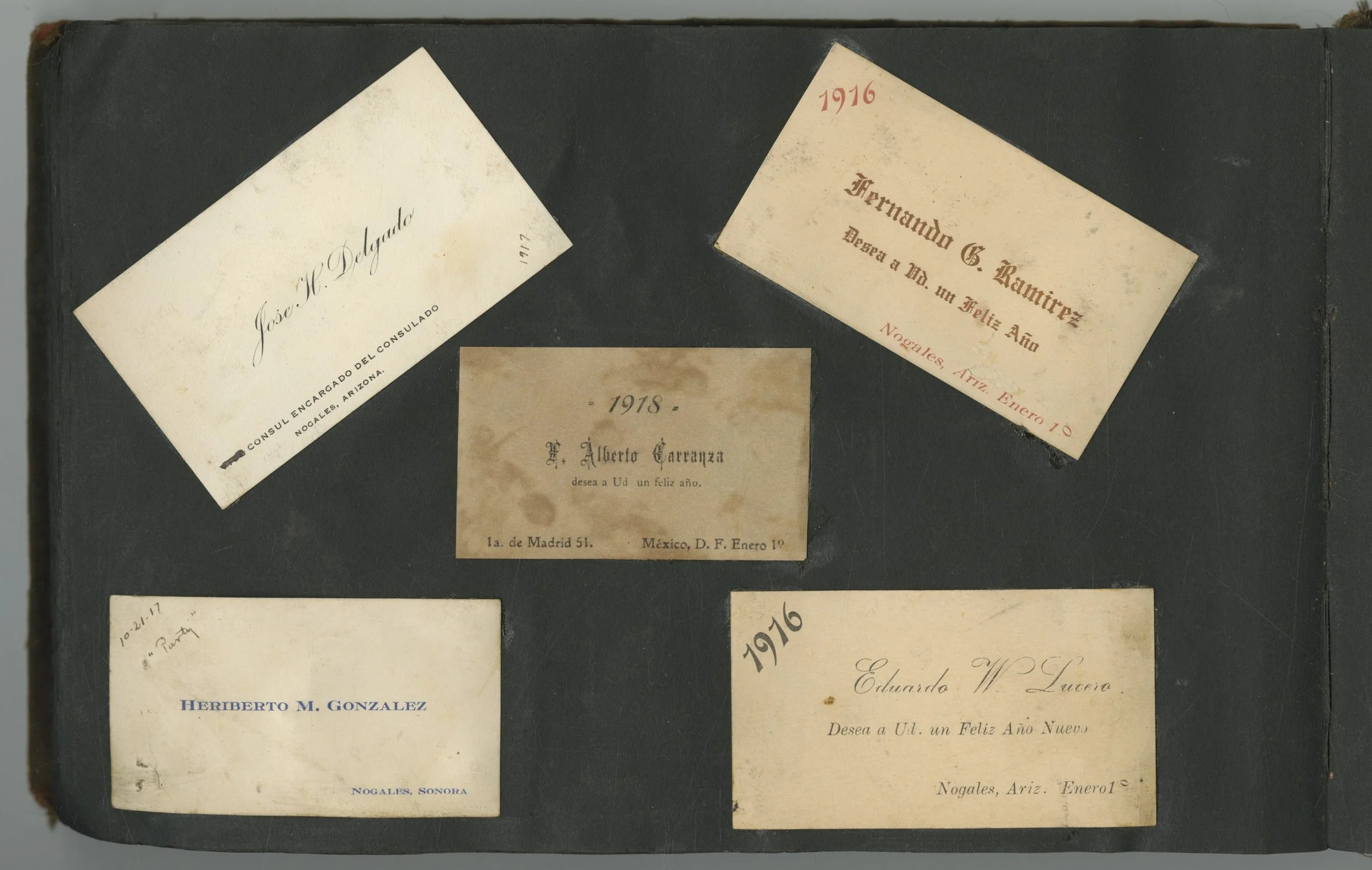
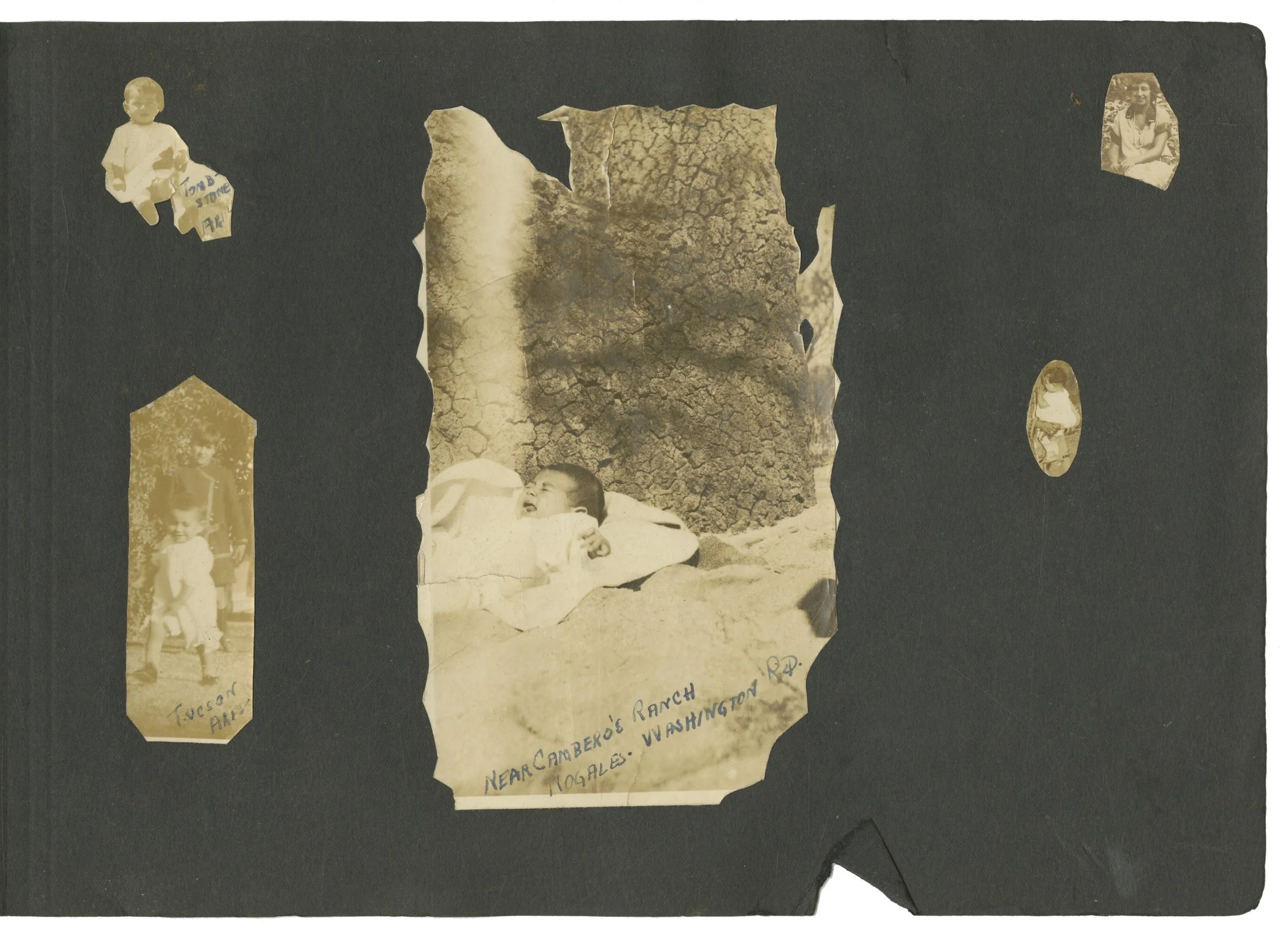
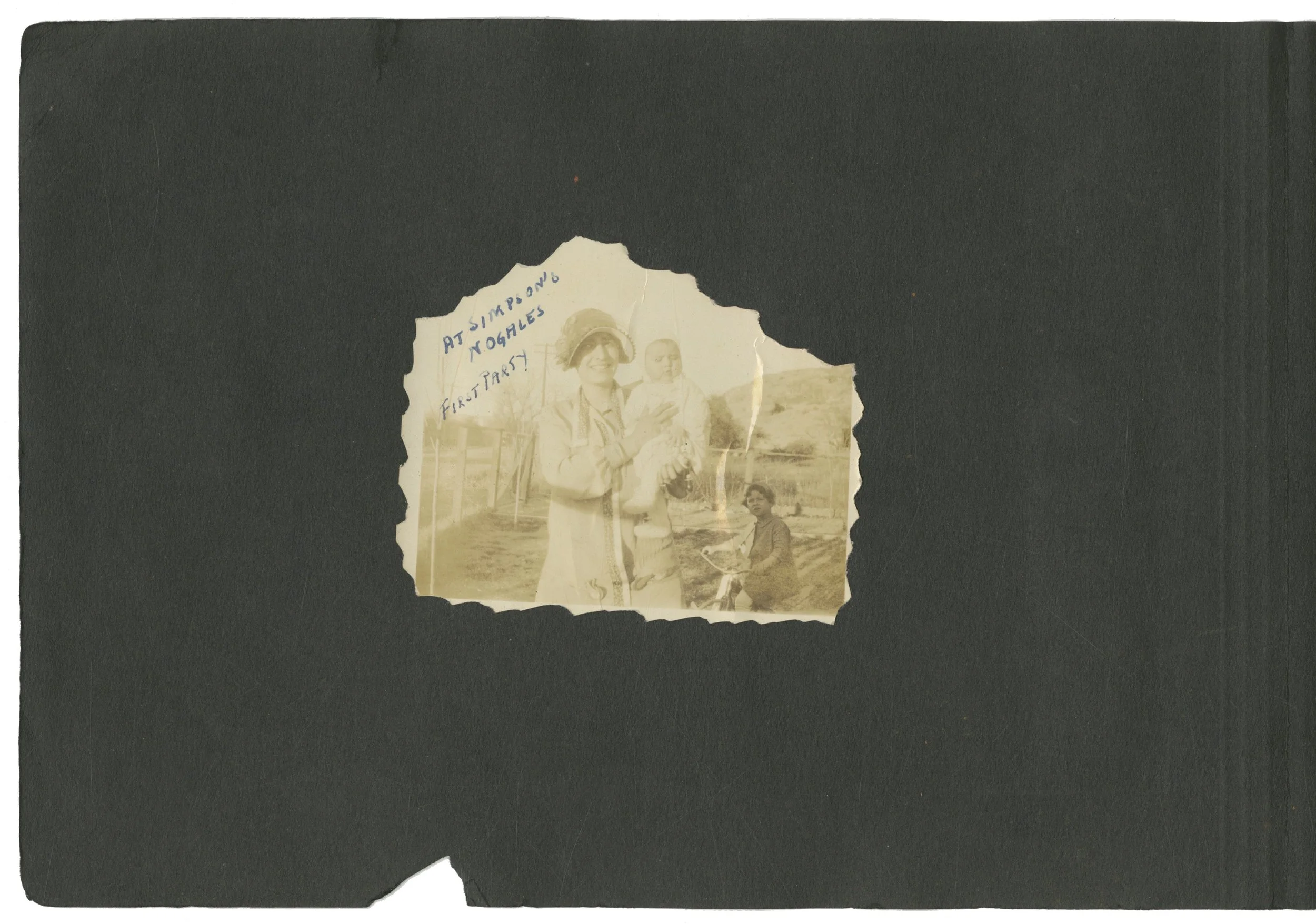
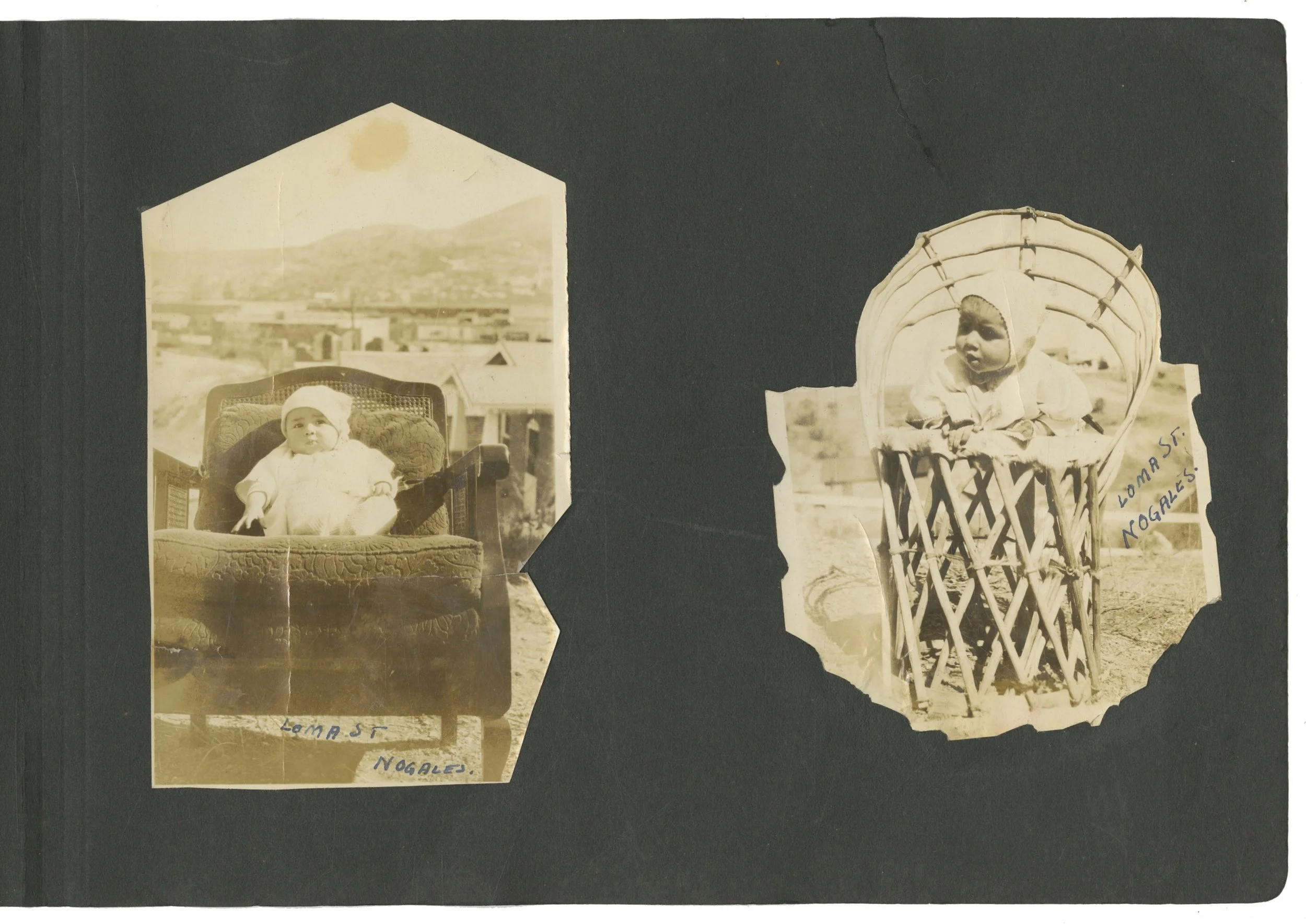
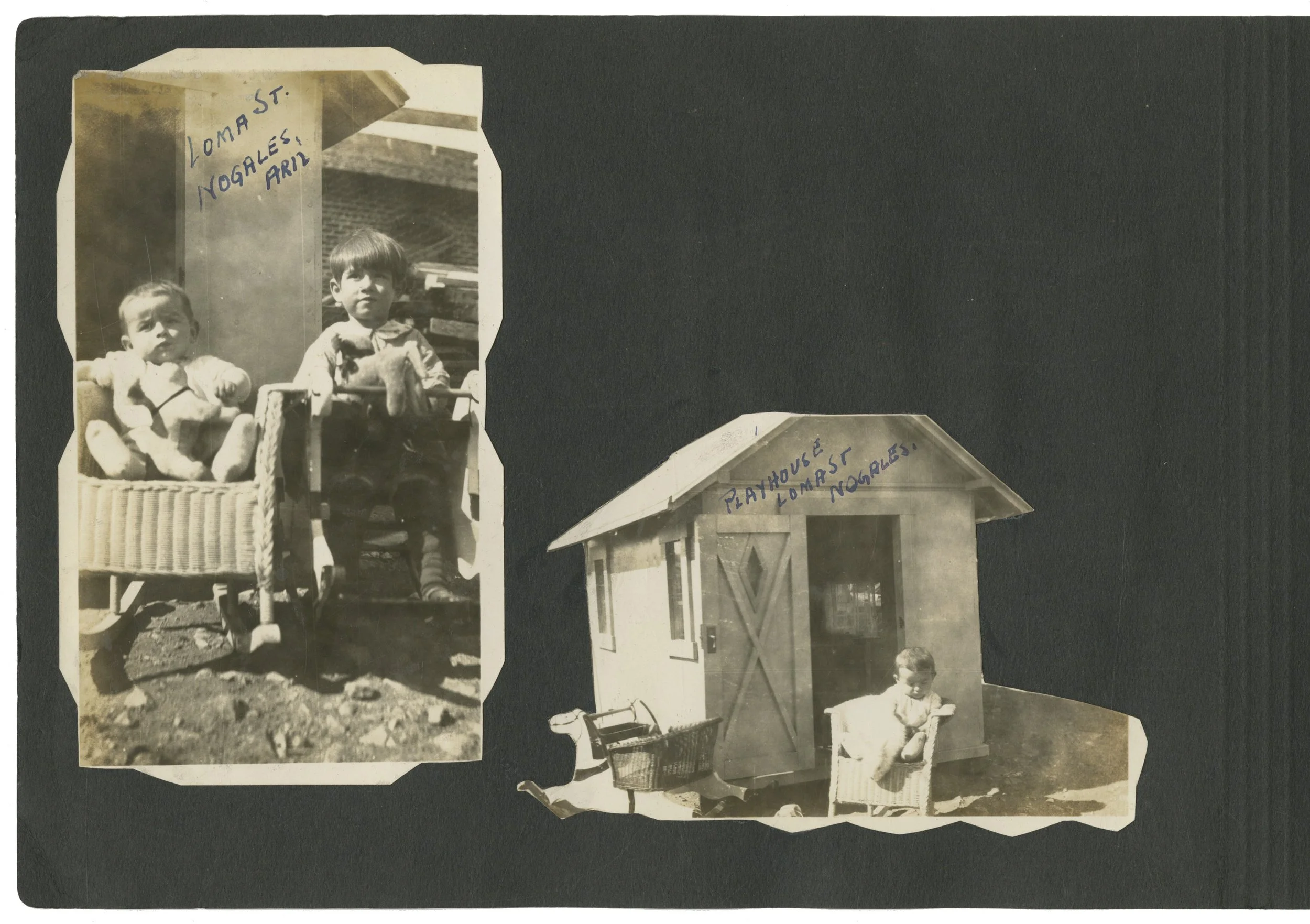
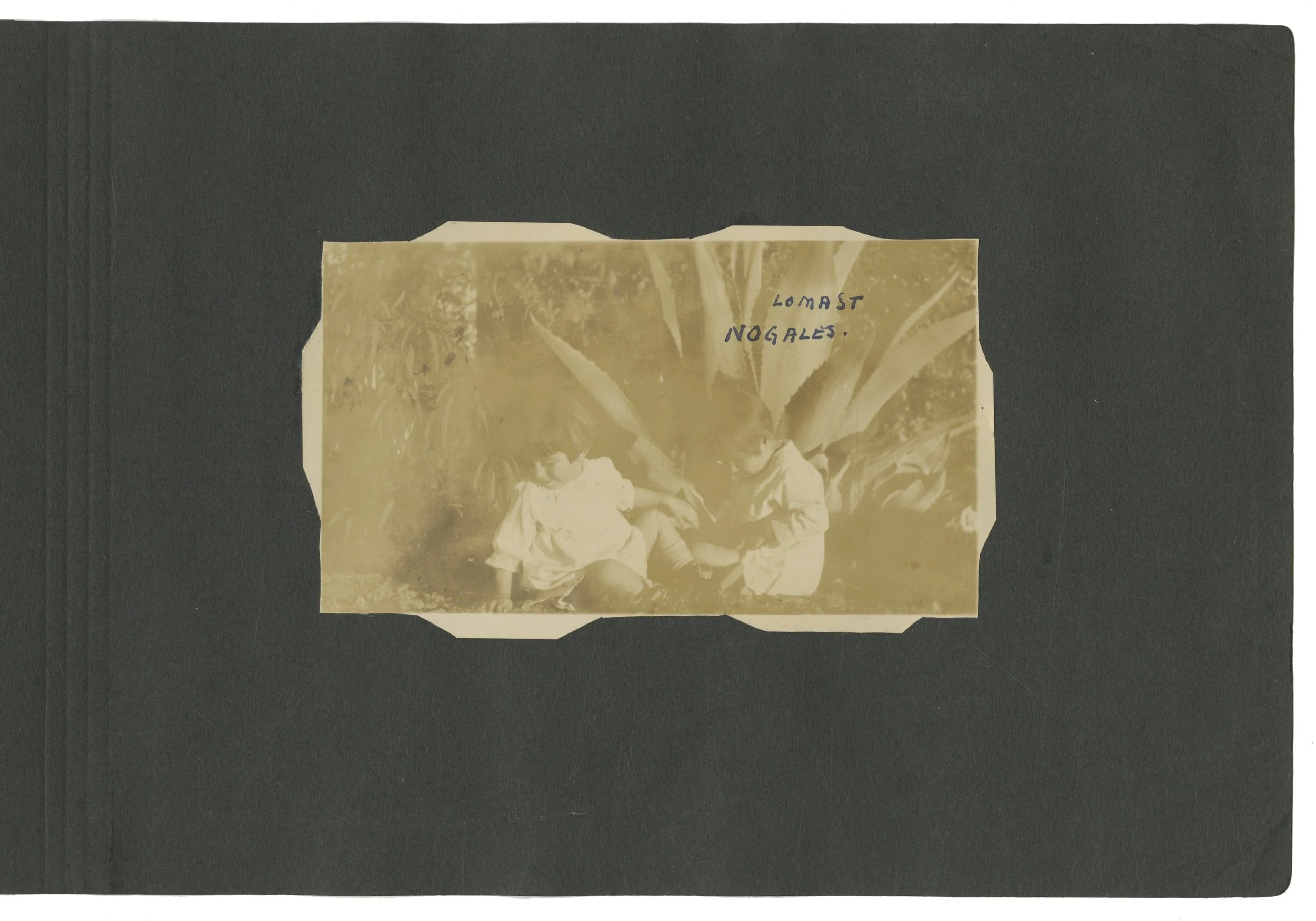
Generous print notations are written in English and Spanish throughout the albums identifying a May 5, 1918 celebration and picnic, a place called the “Mesquite Club” (which may have been a school or school-affiliated place), homes on Loma Street and International Street in Nogales, etc…. Additional highlights include a series of printed calling cards identifying locals and classmates, several views of young men in baseball uniforms, etc… all comprising a scarce and broad vernacular glimpse at Mexican-American life focused on a vital American border town in Arizona.
20% of any sale proceeds will be donated to The MICA Project, a local St. Louis organization committed to working with low-income immigrants to overcome barriers to justice. If you are a trade-side colleague considering this at less 20%, we will split that donation.
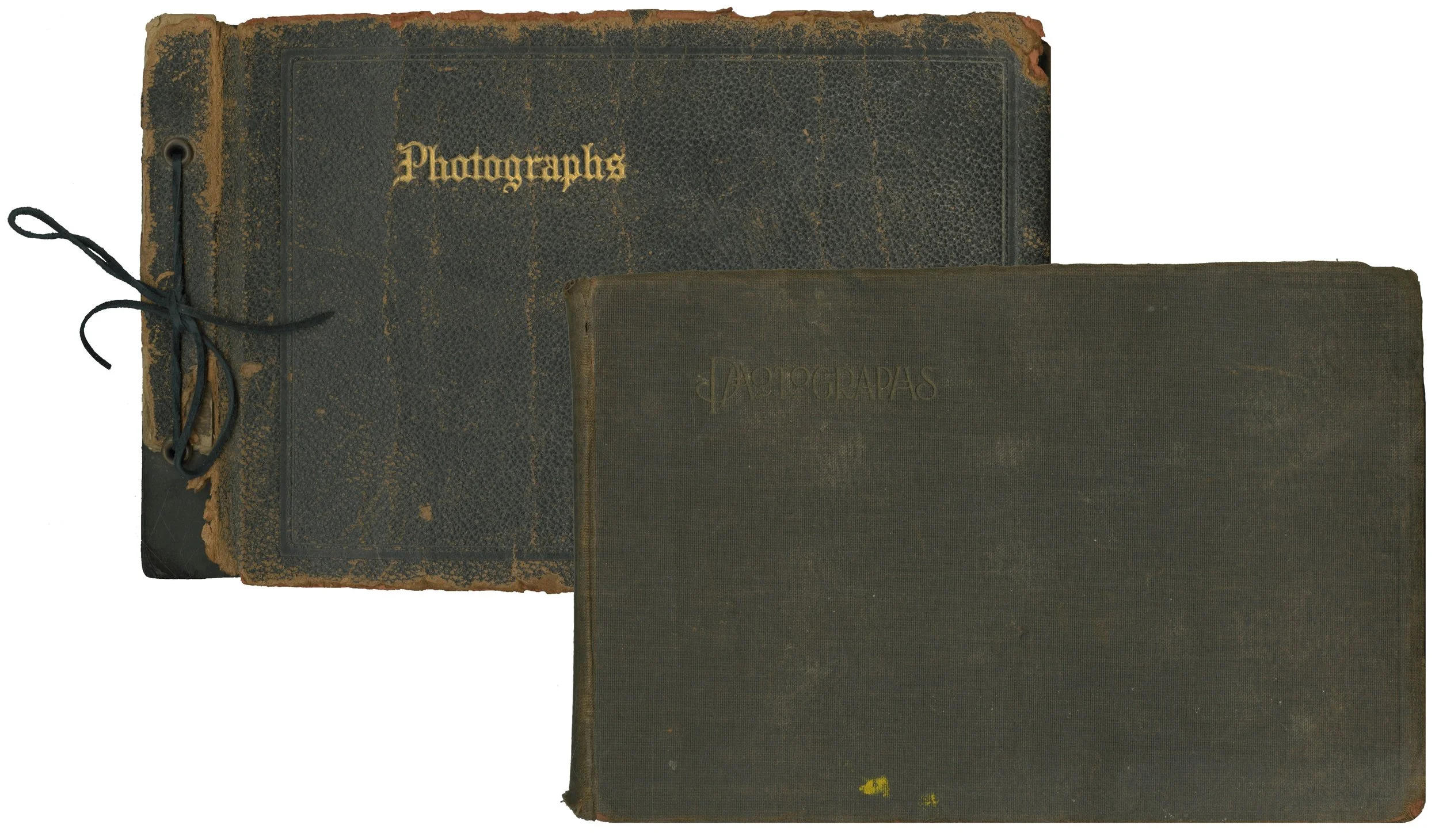
[Mexican-Americana] : [Photo Albums]. [Pair of Albums Compiled by a Young Mexican-American Woman in the Border Ciity of Nogales, Arizona]. Various, including Nogales, Arizona and San Diego, California: (ca. 1916-1933). Pair of commercial snapshot albums. FIRST: 10 1/2" x 7." Black cloth over flexible card wrappers holding 48 black paper leaves with about 430 snapshot and cut portrait photographs adhesive-mounted to rectos and versos along with a few pieces of ephemeral scrap and 33 printed namecards. Infrequent perished items, otherwise sound and about very good. SECOND: 11" x 7 1/4." Brown leather wrapper panels around 31 black paper leaves bound by post and leather string with about 185 snapshots and cut portions of snapshots adhered to rectos and versos. Outer leather with some dry rot. Some infrequent content removal, a few leaves loose and cut down. Original binding string worn and replaced by us with a new leather one. Overall about good or better.
A pair of snapshot albums compiled by an Adriana Barreda (1901-1981) documenting her life and social circle as a teen and young adult in the small border city of Nogales, Arizona from about 1916 into the early-1920’s and adulthood with her husband (Heberto Rodriguez) and young children (Rebecca and Herberto Jr.) in San Diego, California, from about the mid-1920’s into the early-1930’s.
The first album seems almost entirely of Nogales from about 1915 to 1918. The second album also has Nogales content but more chiefly documents travel to California and what ancestral records suggest was a relocation to San Diego sometime prior to 1930. There are many snapshots intricately cut down into small portraits, though across both albums, there are more than 600 individual photographic views at least 3/4 of which we believe document Nogales.
Adriana was born in Hermosillo, Sonora in 1901 and immigrated to The United States in 1913. Her father, Jose, listed his occupation as a grocery salesman in the 1920 census and Adriana listed hers as sales for an electric company. She married Herberto of Tucson in 1923. The couple appears to have returned to Mexico, possibly fleeing conditions related to The Depression, to live sometime during the 1930’s and each was living in Jalisco when they died.
Reports in archived newspaper issues note a young Adriana’s attendance at social functions in the “Mexican Colony” section of the small, increasingly-segregated city (the American side was home to about 5,000 at the time) which was experiencing significant contemporary tension, with the first formal border fence between the two countries erected through the center of town in 1918 amid the ongoing Mexican Border War and a notable flare of local conflict between American and Mexican forces.
Generous print notations are written in English and Spanish throughout the albums identifying a May 5, 1918 celebration and picnic, a place called the “Mesquite Club” (which may have been a school or school-affiliated place), homes on Loma Street and International Street in Nogales, etc…. Additional highlights include a series of printed calling cards identifying locals and classmates, several views of young men in baseball uniforms, etc… all comprising a scarce and broad vernacular glimpse at Mexican-American life focused on a vital American border town in Arizona.
20% of any sale proceeds will be donated to The MICA Project, a local St. Louis organization committed to working with low-income immigrants to overcome barriers to justice. If you are a trade-side colleague considering this at less 20%, we will split that donation.
[Mexican-Americana] : [Photo Albums]. [Pair of Albums Compiled by a Young Mexican-American Woman in the Border Ciity of Nogales, Arizona]. Various, including Nogales, Arizona and San Diego, California: (ca. 1916-1933). Pair of commercial snapshot albums. FIRST: 10 1/2" x 7." Black cloth over flexible card wrappers holding 48 black paper leaves with about 430 snapshot and cut portrait photographs adhesive-mounted to rectos and versos along with a few pieces of ephemeral scrap and 33 printed namecards. Infrequent perished items, otherwise sound and about very good. SECOND: 11" x 7 1/4." Brown leather wrapper panels around 31 black paper leaves bound by post and leather string with about 185 snapshots and cut portions of snapshots adhered to rectos and versos. Outer leather with some dry rot. Some infrequent content removal, a few leaves loose and cut down. Original binding string worn and replaced by us with a new leather one. Overall about good or better.